


Concrete Block, Paver & Tuff Tile Machines

Concrete Block, Paver & Tuff Tile Machines

11 Products

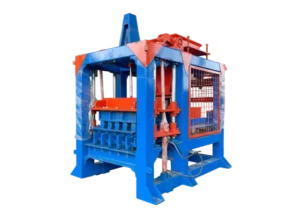
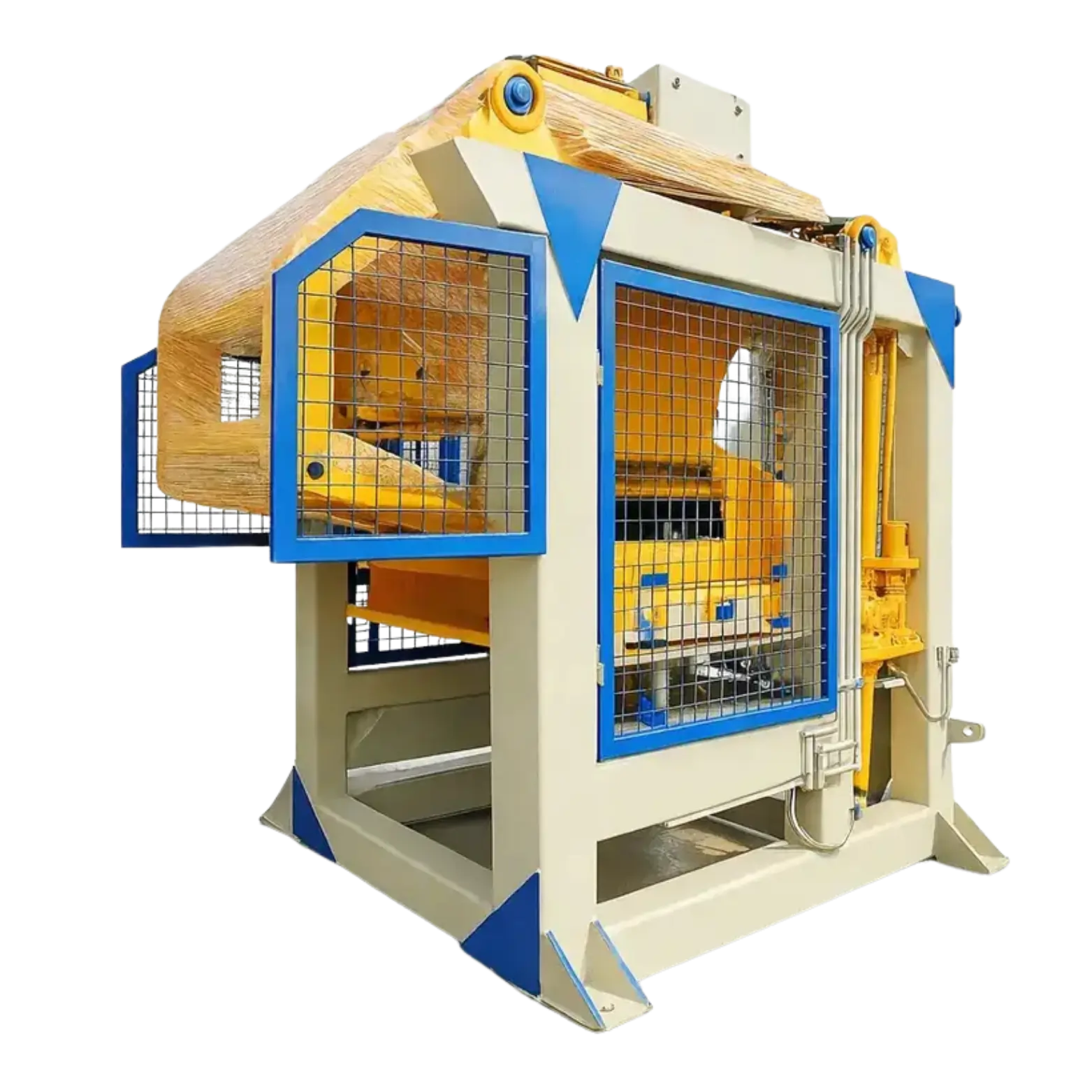
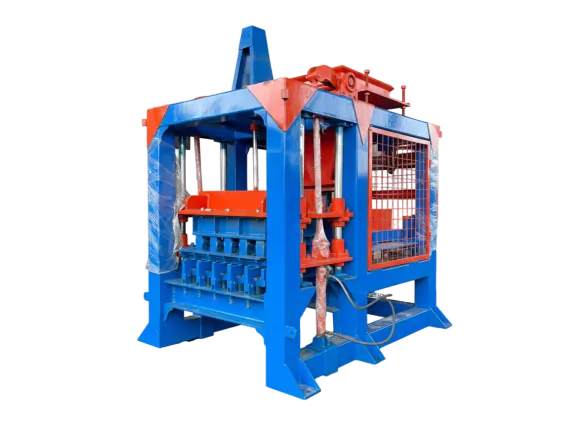
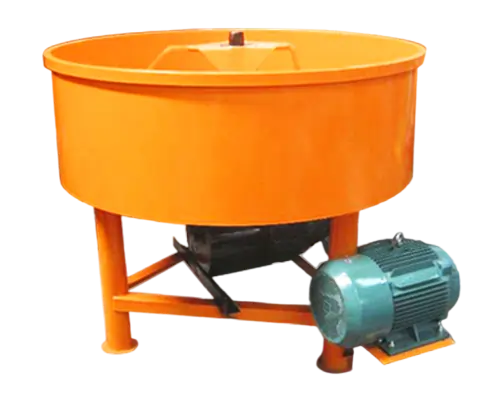
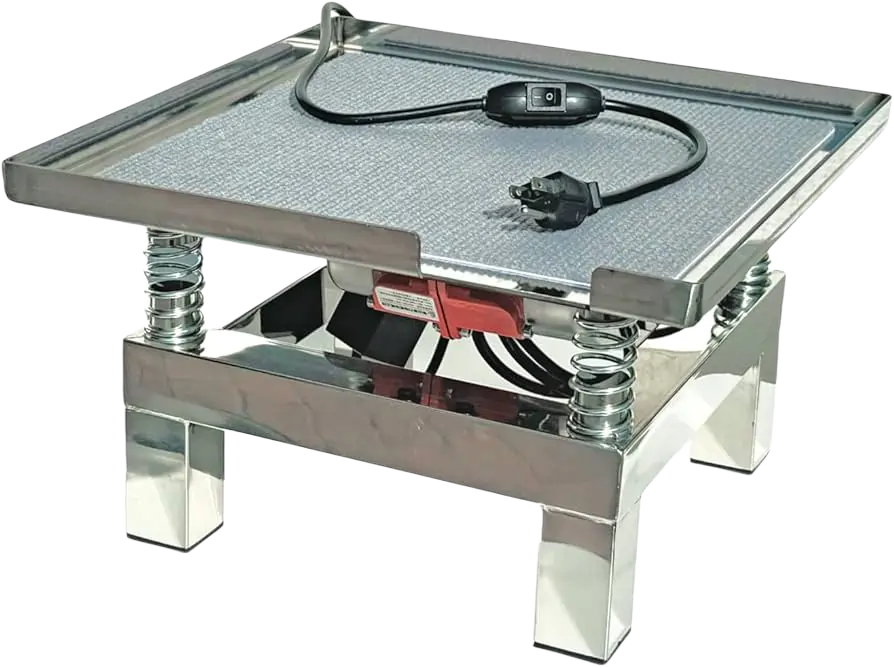
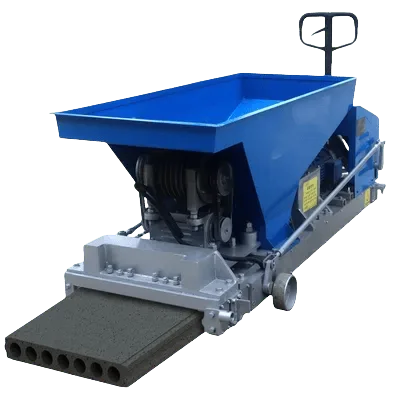
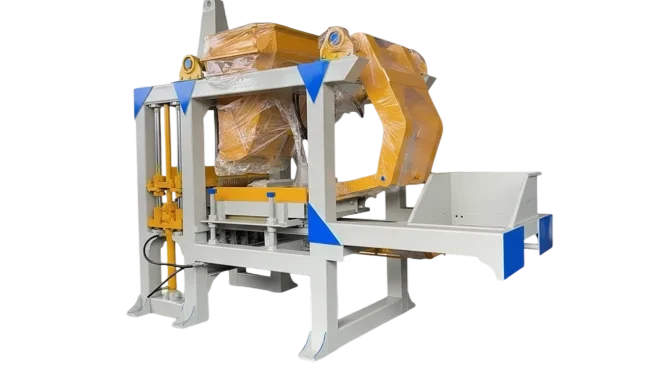
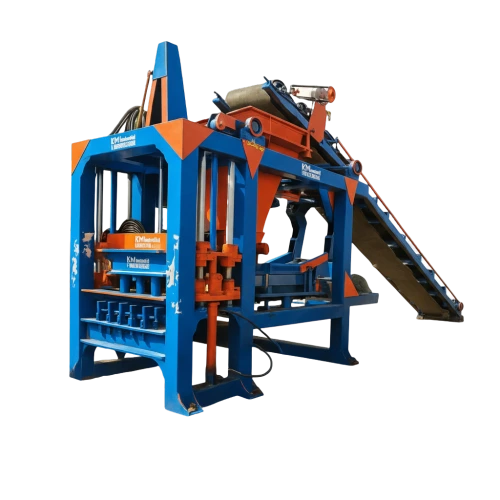
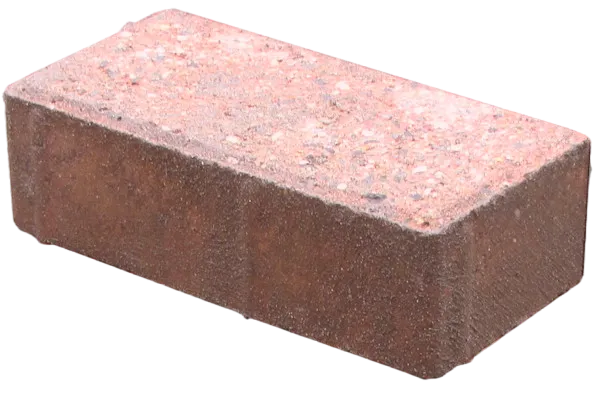
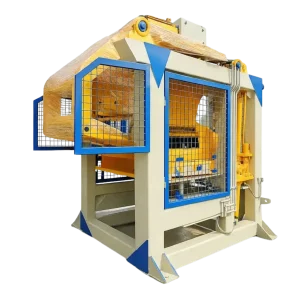
What Are Concrete Block, Paver & Tuff Tile Machines? Concrete block, paver, and tuff tile machines are industrial machines used to manufacture construction materials such as concrete blocks, interlocking pavers, and insulation tiles. These machines use a combination of cement, sand, aggregates, and vibration or pressure technology to produce strong, uniform products. In simple terms: These machines help businesses produce building materials in bulk with consistent quality. Who Should Use These Machines? This category is ideal for: Construction companies Block and paver manufacturers Real estate developers Contractors and suppliers Industrial Units Types of Machines 1. Concrete Block Making Machines Used to produce: Solid blocks Hollow blocks Fly ash bricks Best for: Structural construction projects 2. Paver Block Machines Used to produce: Interlocking pavers Road and pathway tiles Best for: Roads, driveways, commercial flooring 3. Tuff Tile Machines Used to produce: Heat-resistant tiles Roof insulation tiles Best for: Temperature control in buildings Manual vs Semi-Automatic vs Fully Automatic (Explained) Manual Machines → Low cost, labor-dependent Semi-Automatic → Balanced cost + efficiency Fully Automatic → High production, minimal labor Quick Answer: If you’re starting, go for semi-automatic. For large-scale production, choose fully automatic. How to Choose the Right Machine (Decision Guide) Ask these 5 questions: What is your daily production target? What products do you want to make (blocks, pavers, tiles)? What is your budget? Do you have skilled labor available? Do you need automation or manual control? This helps avoid over-investing or under-performing. Production Capacity (What to Expect) Small machines → 500–1,000 blocks/day Medium machines → 2,000–5,000 blocks/day Large plants → 10,000+ blocks/day Choose based on demand—not guesswork. Pricing of Concrete Block, Paver & Tuff Tile Machines The price of concrete block, paver, and tuff tile machines depends on several factors, including machine type, production capacity, and automation level. Basic manual machines are more affordable, while fully automatic plants require a higher investment due to advanced features and higher output. At KM Mughal, we offer a complete range of machines tailored to different business needs—from small startup units to large-scale industrial plants. Our pricing is designed to match performance, ensuring you get the best value for your investment. What Affects Machine Pricing? Automation Level: Manual < Semi-Automatic < Fully Automatic Production Capacity: Higher output machines cost more Machine Build Quality: Heavy-duty structures increase durability and price Molds & Customization: Additional molds or custom designs may affect cost Technology Used: Hydraulic systems and advanced controls add value  Quick Insight: Instead of choosing the cheapest option, focus on cost per production output. A slightly higher investment can generate better long-term profit. Why Choose KM Mughal? Industry Experience with reliable machinery Durable and high-performance machines Competitive Pricing with Quality After-sales support and guidance Tailored for Pakistani and international markets Whether you’re starting a new business or expanding production, KM Mughal provides machines that balance cost, quality, and performance. Key Features That Matter (Buyer-Focused) Strong steel body for durability High ضغط (pressure) + vibration system Easy mold replacement Energy-efficient motors Automated control panels (in advanced models) These directly impact product strength and machine lifespan. What Makes a Good Machine? A high-quality machine should: Produce uniform shape and size Maintain consistent density Reduce cement wastage Operate continuously without overheating  Many buyers ignore these factors and face losses later. Common Mistakes to Avoid Buying based only on price Ignoring production capacity Choosing wrong machine type Not checking spare parts availability  Avoiding these saves long-term cost. Applications (Where These Machines Are Used) Residential construction Commercial buildings Road and pavement projects Industrial infrastructure Quick Comparison Table Feature Block Machine Paver Machine Tuff Tile Machine Main Use Structural blocks Road & flooring Insulation tiles Output Type Solid/Hollow Interlocking shapes Lightweight tiles Demand High Very High Moderate FAQs (AEO-Optimized – Direct Answers) What is a concrete block machine used for? It is used to manufacture solid and hollow concrete blocks for construction. Which machine is best for paver blocks? A paver block machine with vibration and hydraulic pressure is best. What is the price of block making machines? Prices vary depending on automation and capacity, from small units to full plants. Can one machine make blocks and pavers? Yes, if it supports interchangeable molds. Which is better: manual or automatic machine? Automatic machines are better for large production; manual machines suit small businesses. How much space is required? Depends on machine size, but small setups can start in limited space. What raw materials are used? Cement, sand, aggregates, and sometimes fly ash. Is training required to operate these machines? Basic training is recommended for efficient and safe operation. Why This Category Matters With increasing construction demand, having the right machine ensures: Faster production Better product quality Lower operational costs Higher business growth

Terrazzo Tile Making Machine

Terrazzo Tile Making Machine

1 Products

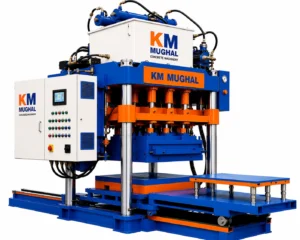
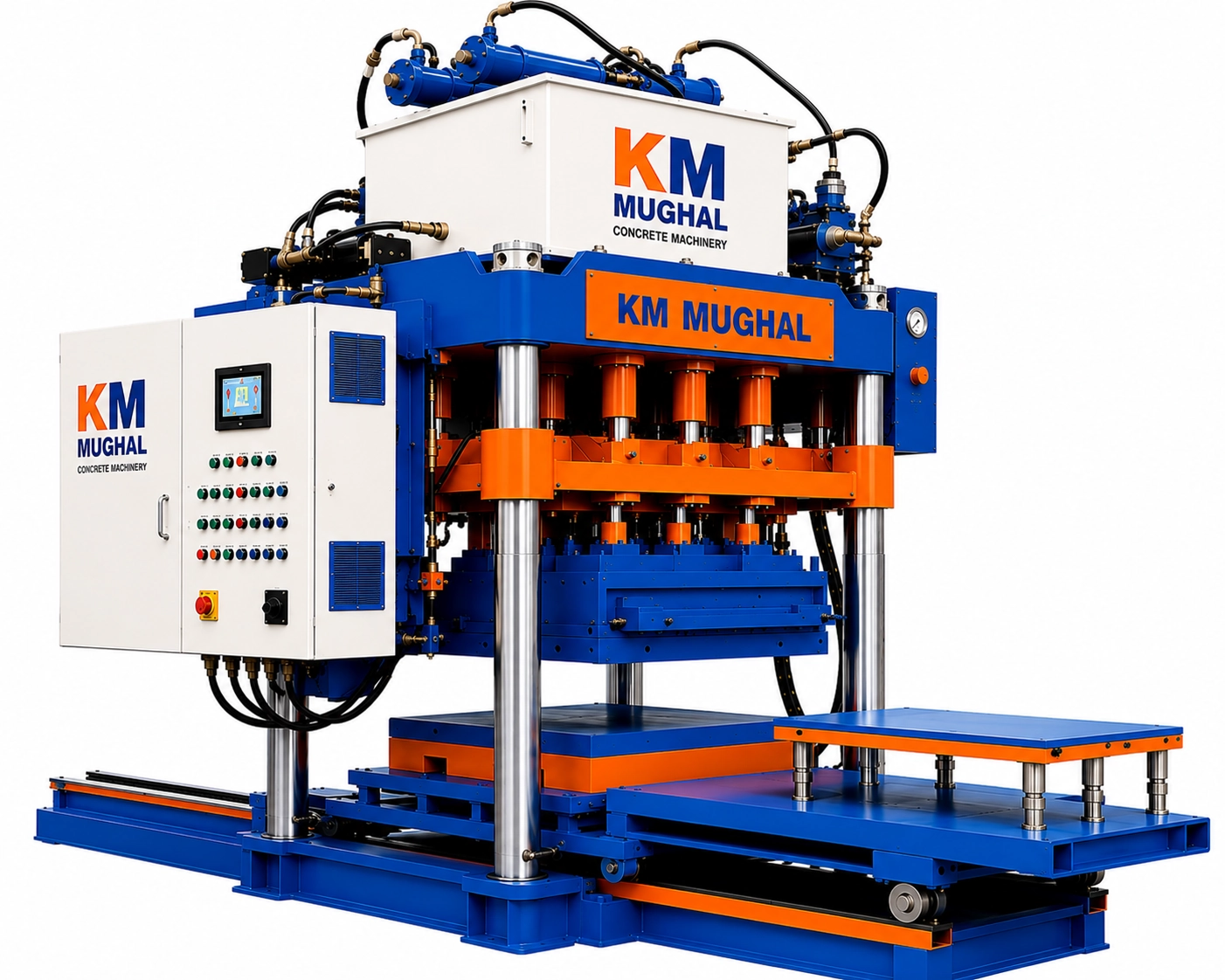
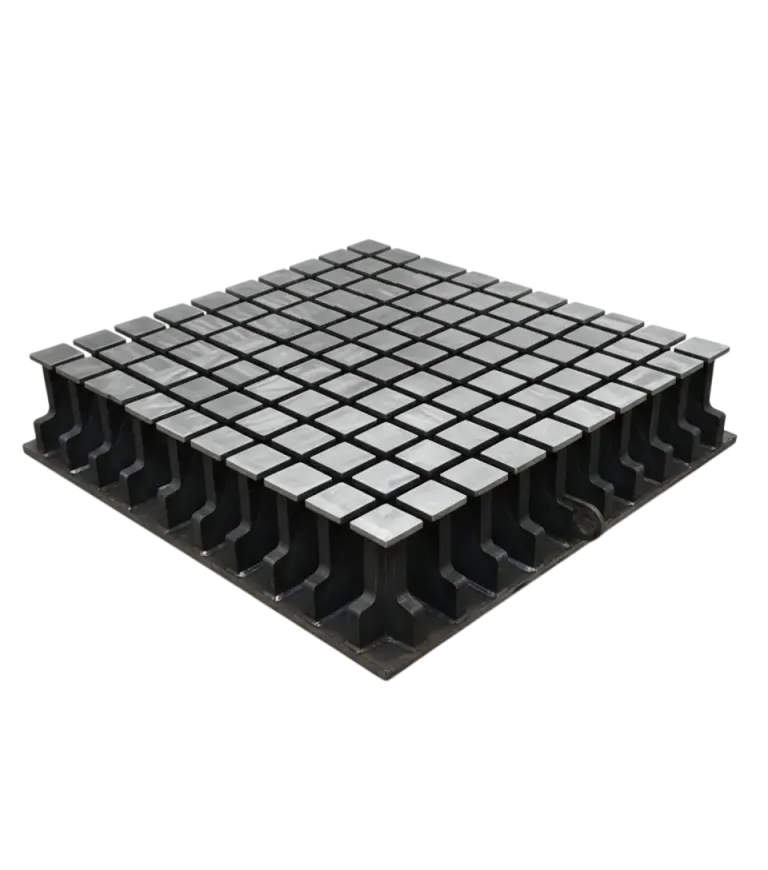
Terrazzo Tile Making Machine is a hydraulic tile making machine for manufacturing terrazzo tiles, cement tiles, terrazzo slabs and concrete floor tiles in Pakistan. Ideal for tile manufacturers, contractors and new tile-making businesses looking for a reliable terrazzo tile machine, hydraulic tile press and tile making machine for commercial production. What Is a Terrazzo Tile Making Machine? A Terrazzo Tile Making Machine is specialized equipment used to manufacture terrazzo floor tiles, wall tiles, decorative tiles, and terrazzo slabs. The machine compresses a mixture of cement, marble chips, stone aggregates, pigments, and other materials under high pressure to create durable and visually appealing tiles. Modern terrazzo tile machines are designed to deliver uniform tile thickness, smooth surface finishing, and high production output while reducing labor requirements and production costs. How the Machine Works The terrazzo tile production process begins with preparing a mixture of cement, marble chips, sand, pigments, and aggregates. The mixture is poured into molds and placed under hydraulic pressure. The machine compresses the material to form a dense and strong tile. After pressing, the tiles are cured and polished to achieve the desired finish and appearance. Main Components Hydraulic Press System Tile Molds Material Feeding System Control Panel Vibration Unit Hydraulic Power Pack Tile Demolding System Features of Terrazzo Tile Making Machine Hydraulic Press Technology The machine uses a powerful hydraulic system to ensure uniform pressure distribution, resulting in strong and durable terrazzo tiles. High Production Capacity Designed for commercial production, the machine can manufacture a large number of tiles in a short period while maintaining consistent quality. Durable Construction Built with heavy-duty steel components, the machine is engineered for long-term industrial use and reliable performance. Custom Tile Sizes Different molds can be used to produce various tile dimensions and designs according to project requirements. Easy Operation The user-friendly control system allows operators to manage production efficiently with minimal training. Types of Tiles Produced Terrazzo Floor Tiles Suitable for homes, offices, shopping malls, schools, and commercial buildings. Decorative Terrazzo Tiles Designed for decorative flooring and architectural applications. Outdoor Paving Tiles Manufactured with high strength for outdoor walkways, parks, and public spaces. Terrazzo Slabs Large-format terrazzo slabs used for premium flooring and interior design projects. Technical Advantages Consistent Quality The machine produces tiles with uniform thickness, density, and finish. Reduced Production Costs Automation and efficient operation help lower labor and material wastage. High Strength Tiles Hydraulic compression improves tile durability and resistance to wear. Increased Productivity The machine supports continuous production, helping manufacturers meet market demand efficiently. Raw Materials Used The machine can process a variety of materials, including: Cement Marble Chips Stone Aggregates Quartz Granite Chips Pigments Sand Water These materials are combined to create attractive terrazzo designs with excellent strength and durability. Applications of Terrazzo Tiles Terrazzo tiles produced by this machine are widely used in: Commercial Buildings Shopping malls, offices, hotels, and retail outlets. Educational Institutions Schools, colleges, and universities. Healthcare Facilities Hospitals, clinics, and medical centers. Residential Projects Homes, apartments, and luxury villas. Public Infrastructure Airports, railway stations, and government buildings. Why Choose Our Terrazzo Tile Making Machine? Our Terrazzo Tile Making Machine is designed to provide reliable performance, high production efficiency, and excellent tile quality. With durable construction, advanced hydraulic technology, and customizable production options, it helps manufacturers produce premium terrazzo products while maximizing profitability. Benefits include: High production output Strong and durable tile manufacturing Low maintenance requirements Multiple tile size options Reliable hydraulic system Long service life Technical support and guidance Frequently Asked Questions What is a terrazzo tile making machine? A terrazzo tile making machine is industrial equipment used to manufacture terrazzo tiles by compressing a mixture of cement, marble chips, aggregates, and pigments under hydraulic pressure. What materials are required for terrazzo tile production? The main materials include cement, marble chips, stone aggregates, sand, pigments, and water. Can the machine produce different tile sizes? Yes, different molds can be installed to manufacture tiles in various sizes and designs. Is the machine suitable for commercial production? Yes, it is specifically designed for medium-scale and large-scale tile manufacturing operations. What industries use terrazzo tiles? Terrazzo tiles are widely used in residential, commercial, industrial, educational, healthcare, and public infrastructure projects. Do you provide installation and technical support? Yes, installation guidance, operator training, and technical support can be provided depending on project requirements.

Aggregate hoppers

Aggregate hoppers

16 Products

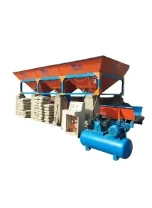
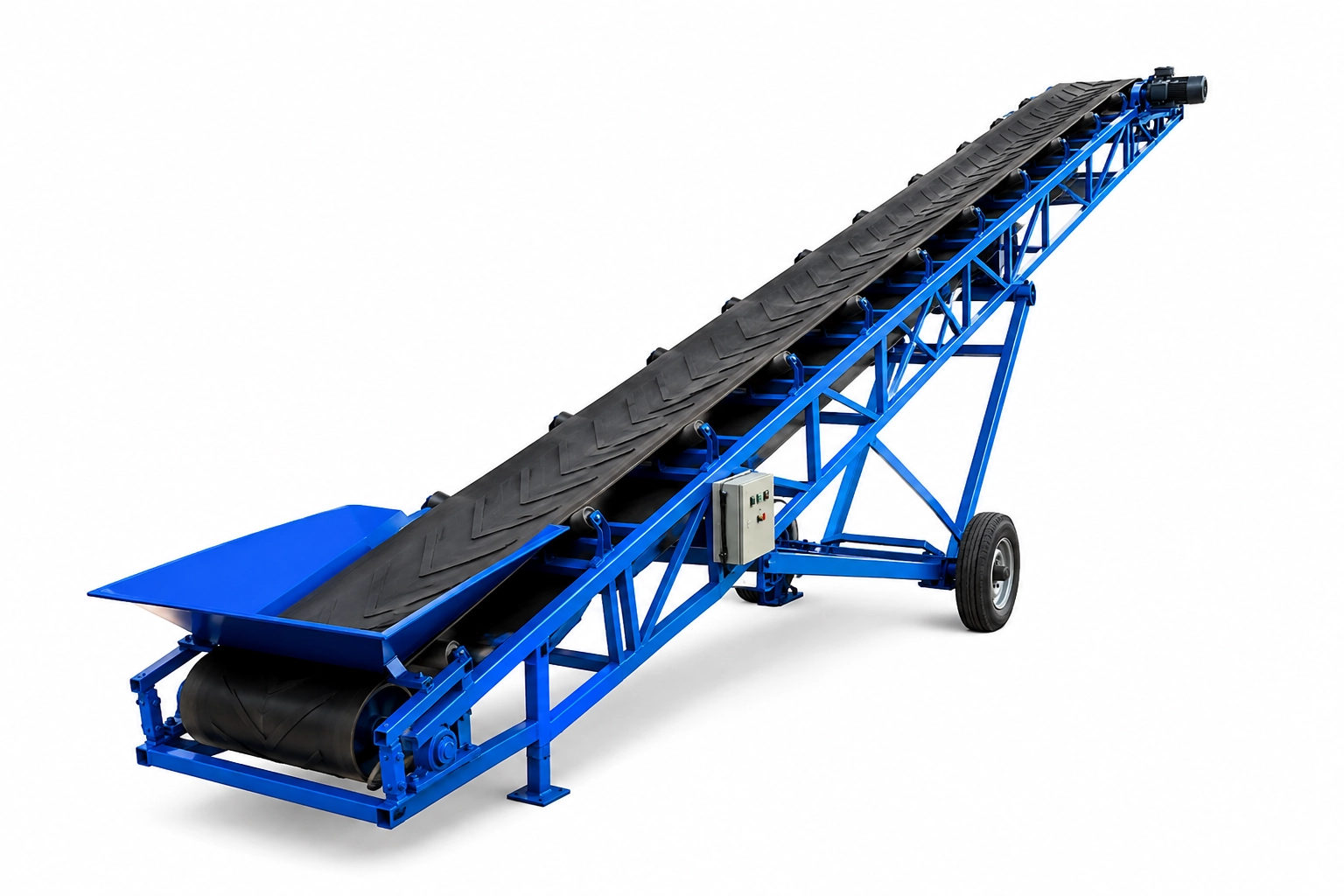
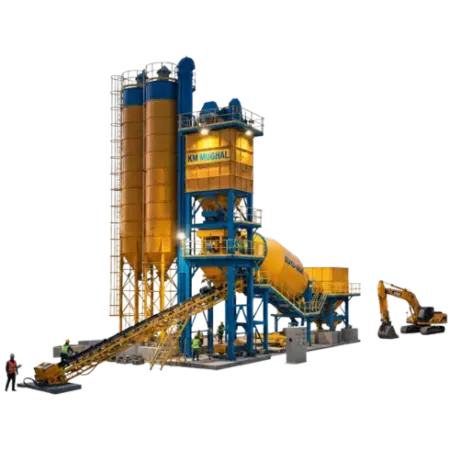
Aggregate hoppers are material storage and feeding units used in construction machinery to store and discharge raw materials such as sand, gravel, crush, and other aggregates in a controlled manner. They are commonly installed in concrete batching plants, ready mix plants, and block making setups to ensure smooth, accurate, and continuous material flow into the mixing system. Simple Meaning: An aggregate hopper is a storage bin that holds raw construction materials and releases them in measured amounts for concrete production. Why Aggregate Hoppers Are Important Are you looking for answers like: “What is an aggregate hopper used for in batching plants?” “Concrete plant aggregate hopper price in Pakistan” “Best hopper system for ready mix plant” “How does the aggregate feeding system work?” “Sand and gravel hopper for concrete production” This page explains everything in a simple and practical way. Types of Aggregate Hoppers 1. Single Compartment Hopper One storage section for all aggregates Simple design and easy operation Suitable for small setups Best for: Small concrete plants and block machines 2. Multi-Compartment Hopper Separate bins for sand, gravel, and crush Better material control and accuracy Common in batching plants Best for: Medium and large production units 3. Weigh Batching Hopper Integrated weighing system Ensures precise material measurement High production accuracy Best for: Ready mix and automated plants 4. Underground / Pit Hopper Installed below ground level Easy loading from trucks Space-saving design Best for: Large batching plant setups Key Features and Benefits Controlled and accurate material feeding Reduces material wastage Improves batching accuracy Supports continuous production flow Heavy-duty steel structure for long life These features ensure stable and efficient concrete production. How Aggregate Hoppers Work Raw materials (sand, gravel, crush) are loaded into hopper bins Controlled gates regulate material discharge Materials are released into conveyor or weighing system Exact quantities are sent to the mixing unit Concrete production continues smoothly This process ensures consistent and accurate batching. Applications Aggregate hoppers are widely used in: Ready mix concrete plants Concrete batching plants Block making machines Precast concrete systems Construction material production units Pricing of Aggregate Hoppers The cost of aggregate hoppers depends on capacity, number of compartments, steel quality, and automation level. Simple single-bin hoppers are more affordable, while multi-compartment and weigh batching systems cost more due to advanced control and precision features. At KM Mughal, we provide durable and high-performance aggregate hopper systems designed for reliable material handling in construction plants across Pakistan and global markets. Factors Affecting Price Storage capacity (volume of aggregates) Number of compartments Steel quality and thickness Automation and weighing system Plant integration requirements Smart Insight: A well-designed hopper improves batching accuracy and reduces production delays. Why Choose KM Mughal? Trusted manufacturer of construction machinery Strong and durable hopper systems High-precision material handling solutions Competitive pricing in local and international markets Custom designs for plant requirements How to Choose the Right Aggregate Hopper Users often ask: “Which hopper is best for my batching plant?” Consider: Daily production requirement Type of concrete plant (manual or automatic) Number of raw materials used Space availability at site Level of automation required Common Mistakes to Avoid Choosing low-capacity hoppers for large plants Ignoring material flow design Using weak steel structure Not matching hopper with batching system What Makes a Good Aggregate Hopper? A high-quality hopper should: Provide smooth and controlled material flow Prevent material clogging or blockage Handle heavy aggregates without deformation Work efficiently in continuous production Poor hoppers cause batching errors and production delays. FAQs  What is an aggregate hopper used for? It stores and feeds raw materials like sand, gravel, and crush into concrete plants. Which plants use aggregate hoppers? Ready mix plants, batching plants, and block making machines. What is the price of an aggregate hopper? Price depends on size, compartments, and automation level. Is a weighing system necessary? Yes, for accurate concrete production in modern plants. Can hoppers be customized? Yes, they can be designed according to plant requirements.

Cement silos

Cement silos

15 Products

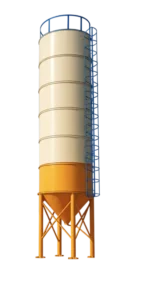
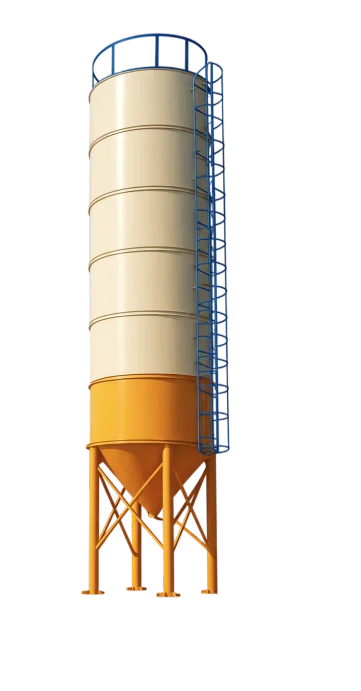
What Is a Cement Silo? A cement silo is a storage system used to safely store bulk cement and other Powder materials like fly ash or sand. It is commonly used in construction sites, batching plants, and industrial projects to ensure a continuous and controlled supply of cement. Simple Answer: A cement silo stores cement in bulk and delivers it when needed without contamination or wastage. Why Cement Silos Are Important Cement silos play a critical role in modern construction by: Protecting cement from moisture and environmental damage Ensuring continuous material supply Reducing material loss and wastage Improving site efficiency and workflow Without proper storage, cement quality can drop quickly, affecting construction strength. Types of Cement Silos 1. Horizontal Cement Silos Easy to transport and install No foundation required in most cases Ideal for temporary or mobile projects Best for: Small to medium construction sites Vertical Cement Silos Large storage capacity Requires proper foundation Suitable for permanent installations Best for: Batching plants and large-scale projects 3. Bolted Cement Silos Assembled on-site Easy to transport in parts Flexible capacity options Best for: Export and large industrial setups 4. Welded Cement Silos Pre-built structure Strong and durable Limited transport flexibility Best for: Long-term fixed installations Storage Capacity Options Cement silos are available in various capacities: Small: 30–50 tons Medium: 60–100 tons Large: 150–500+ tons Quick Tip: Choose capacity based on your daily cement consumption to avoid supply delays or over-investment. Key Features of High-Quality Cement Silos Heavy-duty steel construction Weather-resistant coating Efficient discharge system Dust collector for pollution control Level indicators for material monitoring These features ensure durability, safety, and efficient operation. Pricing of Cement Silos The cost of a cement silo depends on its size, type, and technical features. Smaller silos are more budget-friendly, while large-capacity and fully equipped silos require a higher investment. At KM Mughal, we provide a wide range of cement silos designed for durability and performance. Our solutions are tailored for both local and international markets, ensuring reliable storage systems at competitive pricing. What Affects Cement Silo Price? Storage capacity (tons) Type (horizontal, vertical, bolted, welded) Steel quality and thickness Accessories (dust collector, screw conveyor, sensors) Installation requirements Smart Buying Tip: Focus on long-term durability and efficiency instead of just initial price. Why Choose KM Mughal? Proven experience in construction machinery High-quality manufacturing standards Competitive pricing in Pakistan and export markets Custom solutions based on project requirements Reliable after-sales support How to Choose the Right Cement Silo Before selecting a cement silo, consider: Your daily cement usage Available installation space Project duration (temporary or permanent) Budget and future expansion plans Required automation and monitoring features Choosing the right silo improves efficiency and reduces operational issues. Applications of Cement Silos Cement silos are widely used in: Ready-mix concrete plants Construction sites Infrastructure projects Industrial production units What Makes a Good Cement Silo? A high-quality cement silo should: Prevent moisture entry completely Provide smooth and consistent discharge Maintain structural strength under heavy load Include dust control systems for environmental safety Many low-quality silos fail in moisture protection, leading to cement hardening and losses. Common Mistakes to Avoid Choosing insufficient storage capacity Ignoring site space limitations Buying without checking steel quality Not considering dust control systems Avoiding these mistakes saves cost and improves long-term performance. FAQs (AEO-Optimized) What is the purpose of a cement silo? It stores bulk cement safely and supplies it when required. What capacity cement silo should I choose? It depends on your daily cement usage and project size. What is the difference between horizontal and vertical silos? Horizontal silos are portable; vertical silos offer higher capacity. How much does a cement silo cost? Prices vary based on size, type, and features. Can cement silos be customized? Yes, based on project requirements and capacity needs. Do cement silos require maintenance? Yes, regular inspection ensures long-term performance. What materials can be stored in a cement silo? Cement, fly ash, and other powder materials. Is installation required for all silos? Vertical silos require foundation; horizontal ones may not.

Clay brick & block making machine

Clay brick & block making machine

10 Products

Clay Brick & Block Making Machines are fficient industrial systems designed to produce durable, uniform bricks and blocks from clay using manual, semi-automatic, or fully automatic processes, suitable for small to large-scale construction production. What Is a Clay Brick & Block Making Machine? A clay brick and block making machine is industrial equipment used to manufacture bricks and blocks from clay, soil, and other natural raw materials. These machines automate the shaping, cutting, and molding process to produce uniform and durable bricks for construction use. Simple Definition: It is a machine that converts clay or soil into high-quality bricks and blocks used in building construction. Why Clay Brick Machines Are Important Clay brick making machines are widely used in construction because they: Produce strong and durable bricks Reduce manual labor and time Ensure consistent size and shape Increase production efficiency Lower overall production cost These machines are essential for both small brick kilns and large industrial production units. Types of Clay Brick & Block Making Machines 1. Manual Clay Brick Machine Operated by hand or basic mechanical force Low production capacity Suitable for small businesses Best for: Startups and small-scale production 2. Semi-Automatic Clay Brick Machine Uses partial automation Requires limited labor Balanced production speed and cost Best for: Medium-scale brick manufacturers 3. Fully Automatic Clay Brick Machine Fully computerized system High production capacity Minimal labor requirement Best for: Large industrial brick plants Production Capacity Clay brick machines come in different output ranges: Small machines: 2,000–5,000 bricks/day Medium machines: 5,000–15,000 bricks/day Large machines: 20,000+ bricks/day Choose capacity based on market demand and business scale. Key Features of Clay Brick Machines Heavy-duty steel structure High compression molding system Energy-efficient operation Automatic clay feeding system (in advanced models) Consistent brick size and strength These features ensure long-term performance and reduced maintenance. Pricing of Clay Brick & Block Making Machines The price of clay brick machines depends on machine type, capacity, and automation level. Manual machines are more affordable, while fully automatic systems require higher investment due to advanced technology and higher production output. At KM Mughal, we provide a complete range of clay brick and block making machines designed for startups as well as large-scale production units. Our machines are built for durability, efficiency, and long-term industrial use. Factors Affecting Price Automation level (manual, semi, fully automatic) Production capacity per day Machine build quality and materials Additional systems like conveyors or mixers Customization requirements Buying Tip: Focus on long-term production value instead of only initial cost. Why Choose KM Mughal? Reliable construction machinery manufacturer Strong industrial-grade machine design Competitive pricing for local and export markets Custom solutions for different production needs After-sales support and technical guidance How to Choose the Right Machine Before buying, consider: Daily production requirement Available labor and automation preference Type of bricks you want to produce Budget and expansion plans Power supply and site capacity This helps avoid overinvestment or low production issues. Applications Clay brick and block machines are used in: Residential housing projects Commercial construction Road and infrastructure development Brick kiln industries What Makes a Good Clay Brick Machine? A high-quality machine should: Produce uniform and crack-free bricks Maintain stable pressure during molding Reduce raw material wastage Operate continuously without breakdown Poor machines often cause uneven bricks and high rejection rates. Common Mistakes to Avoid Choosing low-capacity machines for high demand Ignoring maintenance and spare parts availability Selecting wrong automation level Not checking raw material compatibility FAQs  What is a clay brick making machine used for? It is used to manufacture bricks from clay or soil for construction purposes. Which machine is best for a brick business? Semi-automatic machines are ideal for medium businesses, while automatic machines suit large-scale production. How many bricks can a machine produce per day? Production ranges from 2,000 to 20,000+ bricks depending on machine type. Can one machine produce different brick sizes? Yes, with interchangeable molds. What raw materials are used? Clay, soil, and sometimes additives for strength improvement. Is training required to operate it? Basic training is recommended for efficient operation. What is the lifespan of these machines? With proper maintenance, they can last many years.

Concrete Egg laying Block making machine

Concrete Egg laying Block making machine

1 Products

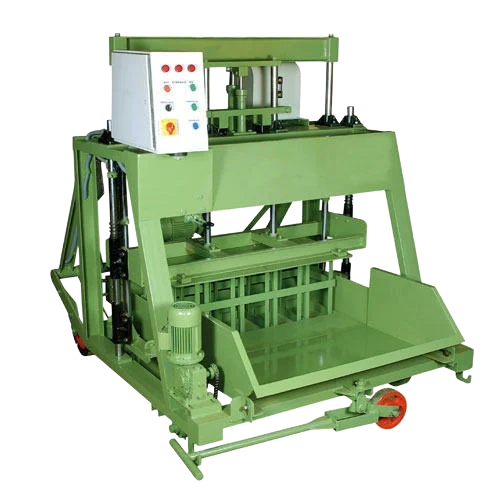
An egg laying block making machine is a mobile type concrete block production machine designed to manufacture blocks directly on the ground without the need for pallets. The machine moves forward after each cycle, leaving freshly molded blocks behind in a straight line, making it an efficient solution for on-site block production. Simple Meaning: It is a movable block machine that produces concrete blocks directly on the ground, eliminating the need for separate pallets or drying racks. What Users Usually Search Before Buying Are you looking for answers like: “Egg laying block making machine price in Pakistan” “Mobile concrete block machine for sale” “Best egg laying machine for construction business” “How does egg laying block machine work?” “Small scale block making machine without pallet” This page helps you understand everything before choosing the right machine. Types of Egg Laying Block Machines 1. Manual Egg Laying Machine Simple mechanical operation Low production capacity Affordable setup Best for: Small contractors and startup businesses 2. Semi-Automatic Egg Laying Machine Partial automation system Faster production than manual models Requires less labor Best for: Medium-scale block production 3. Fully Automatic Egg Laying Machine Advanced hydraulic and control system High-speed production Minimal manual effort Best for: Large construction and industrial projects How Egg Laying Block Machines Work Concrete mixture is prepared Machine fills molds with concrete Vibration and compression are applied Machine moves forward automatically Fresh blocks are left on the ground for curing This process allows continuous and fast block production. Key Features and Benefits No need for wooden or steel pallets Direct on-site block production High efficiency with continuous operation Strong vibration system for better compaction Cost-saving and labor-reducing solution These advantages make it ideal for large and open construction sites. Components of Egg Laying Block Machine Mold system (interchangeable block shapes) Vibration unit Hydraulic or mechanical press system Moving chassis (mobile frame) Engine or electric motor Applications Egg laying block machines are widely used in: Road and infrastructure projects Housing schemes and construction sites Boundary wall and structure block production Large-scale brick and block manufacturing On-site temporary construction projects Pricing of Egg Laying Block Making Machines The price of egg laying block machines depends on production capacity, automation level, and machine size. Manual machines are more budget-friendly, while fully automatic mobile machines require higher investment due to advanced technology and higher output performance. At KM Mughal, we provide durable and high-performance egg laying block making machines designed for efficient on-site production in Pakistan and global markets. Factors Affecting Price Machine automation level Production capacity per cycle Engine or motor type Mold variety and customization Build quality and steel strength Smart Insight: Choose a machine based on daily production needs rather than just initial cost. Why Choose KM Mughal? Reliable construction machinery manufacturer Strong and durable mobile block machines Competitive pricing in local and international markets Custom-built solutions for different project needs Technical support and after-sales service How to Choose the Right Machine Users often ask: “Which egg laying block machine is best for me?” Consider: Project size and site conditions Required daily block production Automation preference Budget and long-term use Availability of labor and power source Common Mistakes to Avoid Choosing low-capacity machines for large projects Ignoring ground conditions for operation Selecting poor-quality molds Not planning production demand properly What Makes a Good Egg Laying Machine? A high-quality machine should: Produce uniform and strong blocks Move smoothly during operation Handle continuous production without breakdown Reduce material wastage Poor machines often result in uneven blocks and low efficiency. FAQs  What is an egg laying block making machine used for? It is used to produce concrete blocks directly on the ground without pallets. Why is it called egg laying machine? Because it lays blocks continuously while moving forward like laying eggs in a line. What is the price of an egg laying machine? Price depends on size, capacity, and automation level. Can it be used on construction sites? Yes, it is ideal for on-site block production. How many blocks can it produce per day? Production varies from small to large scale depending on machine type.

Total Categories: 21