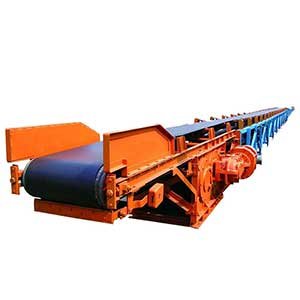

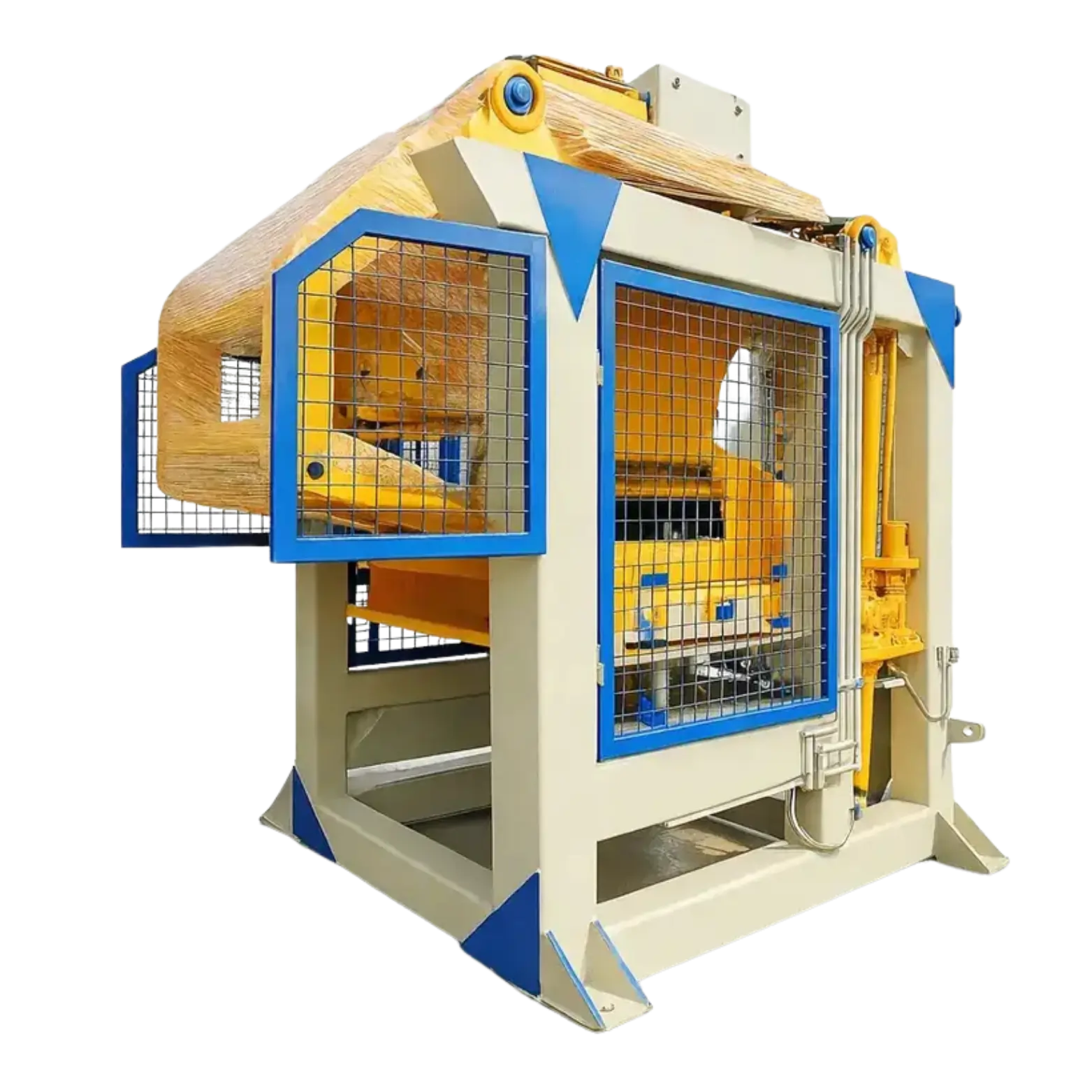
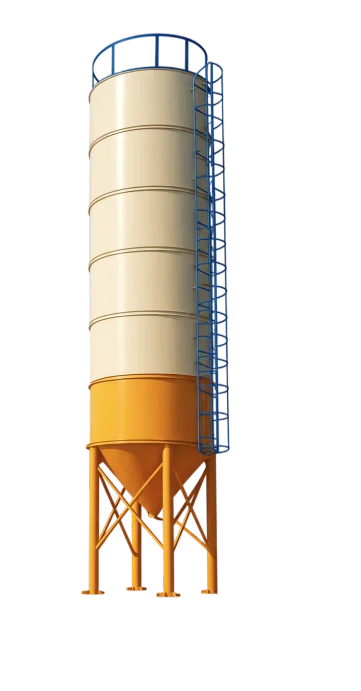
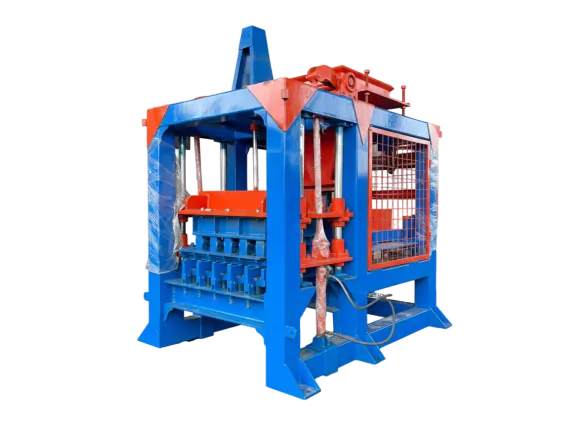
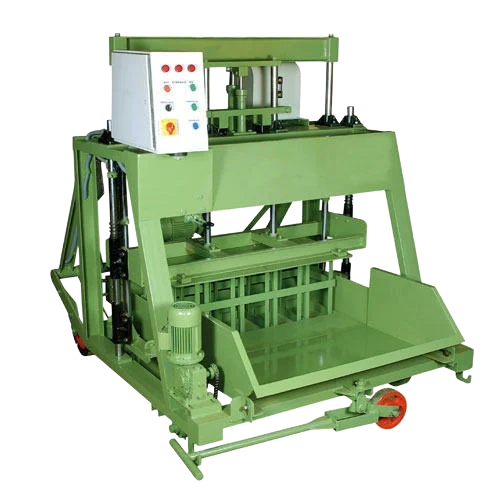
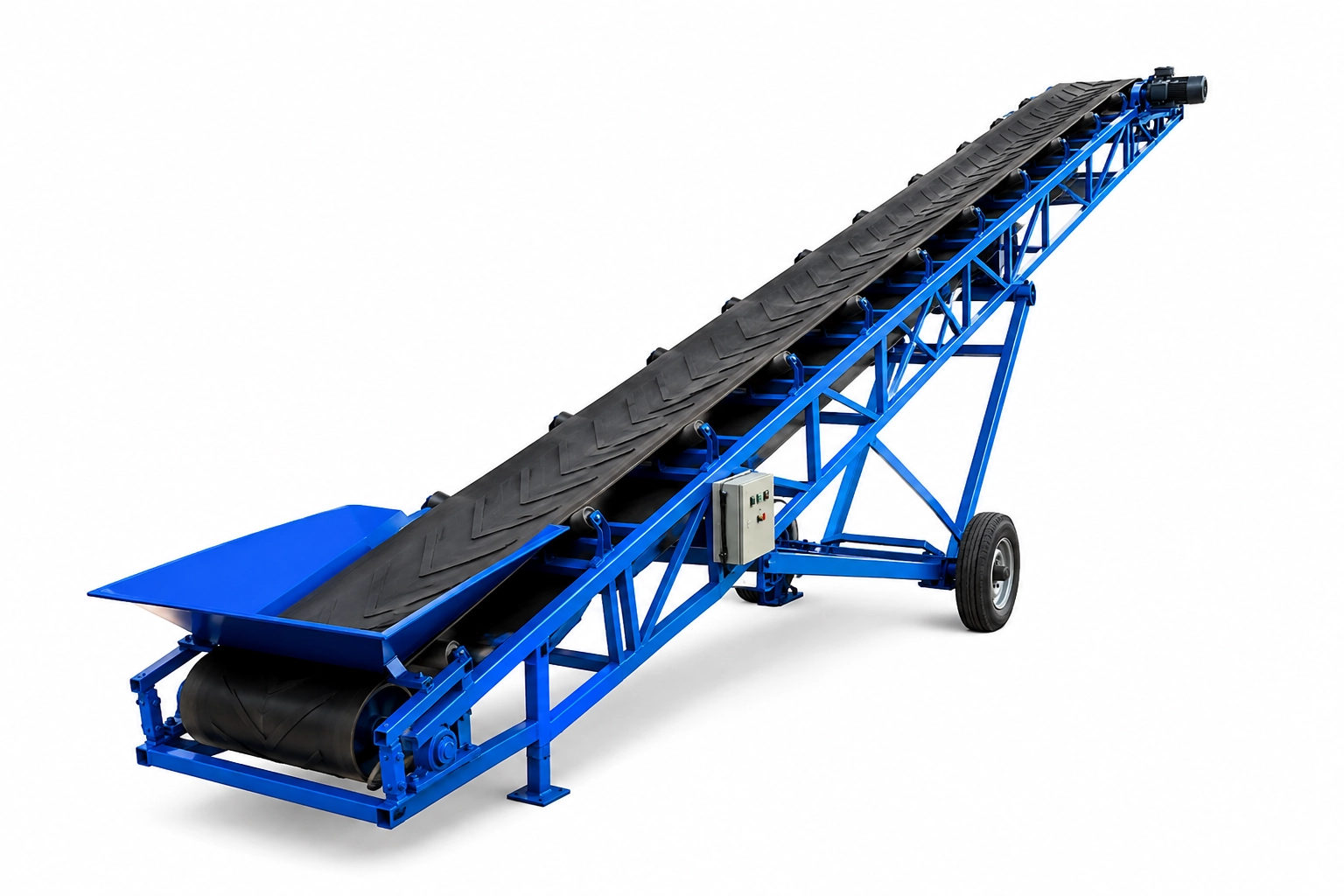
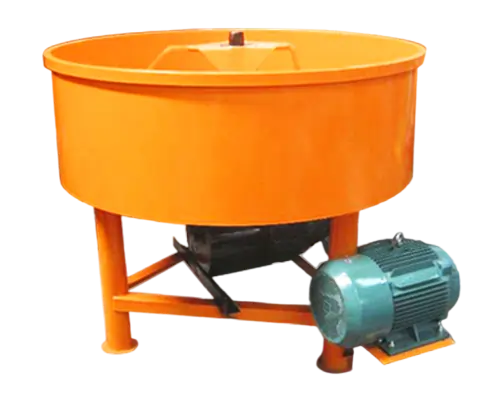
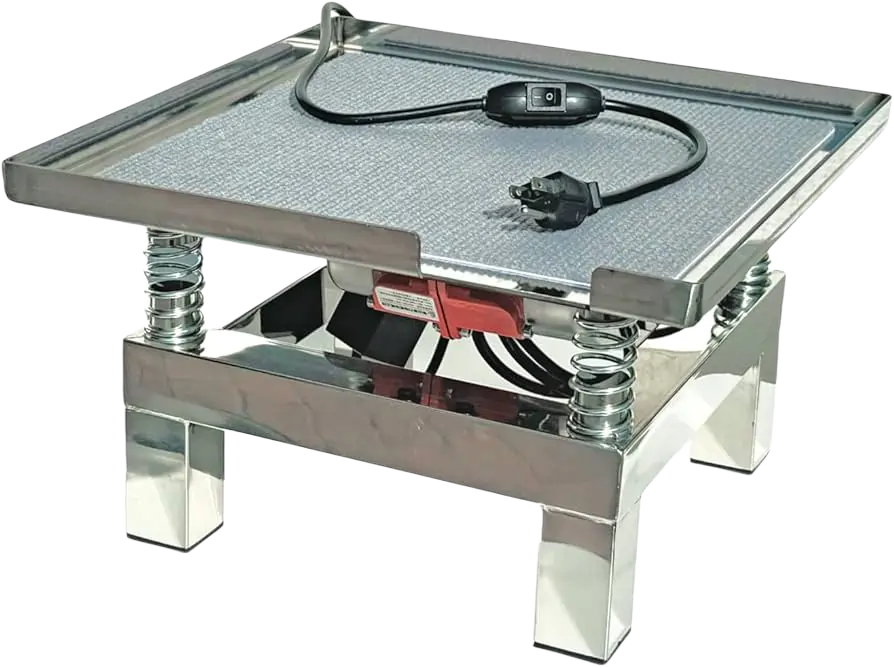
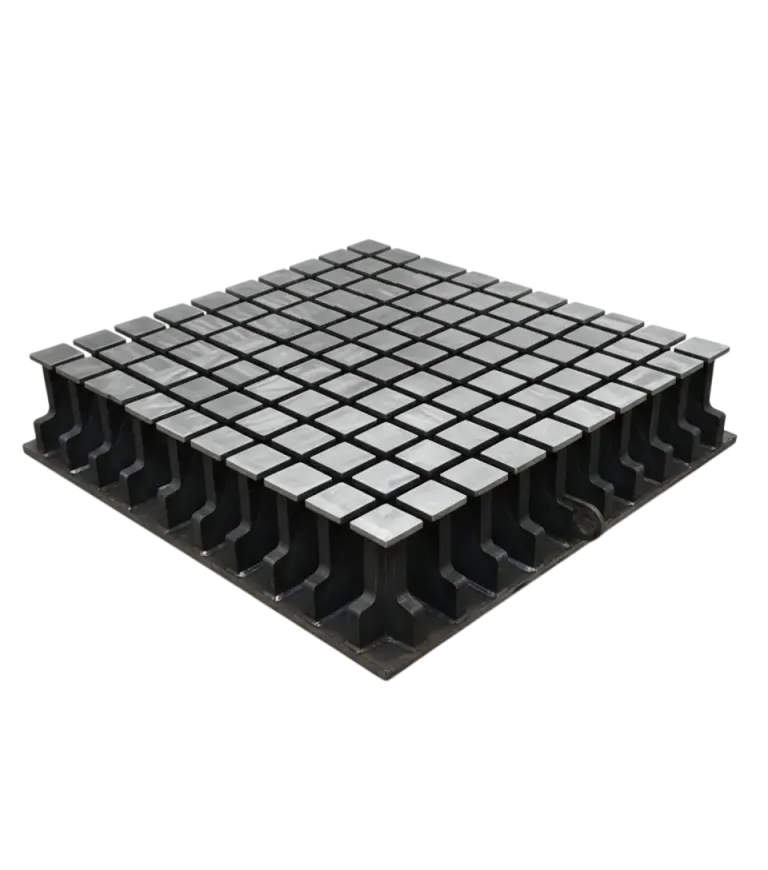

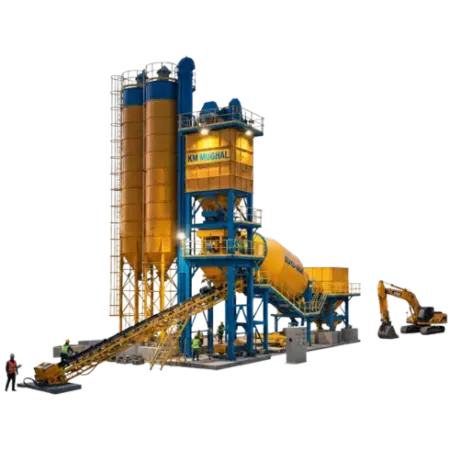
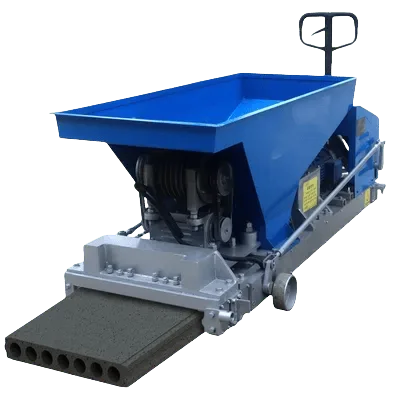
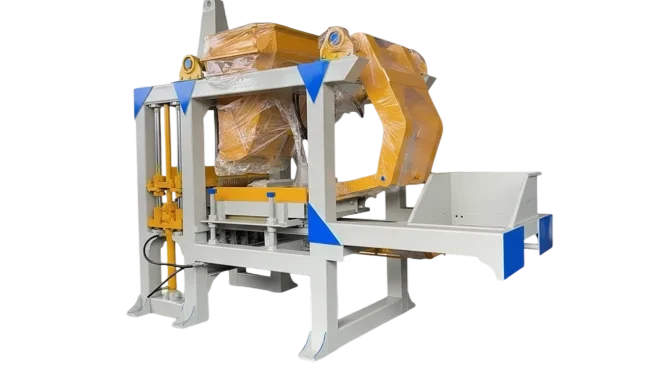
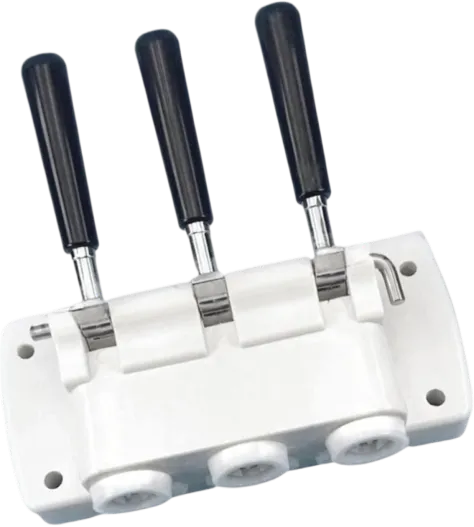
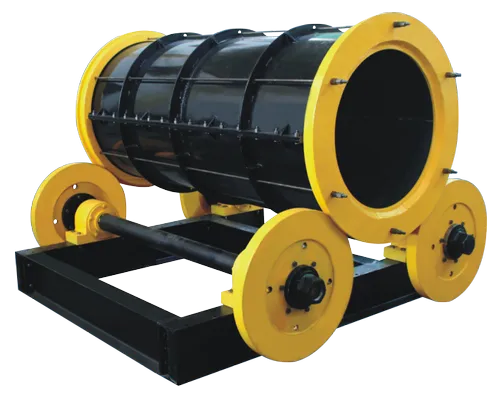
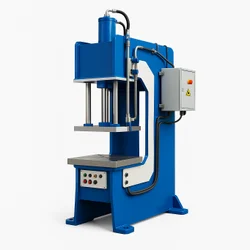
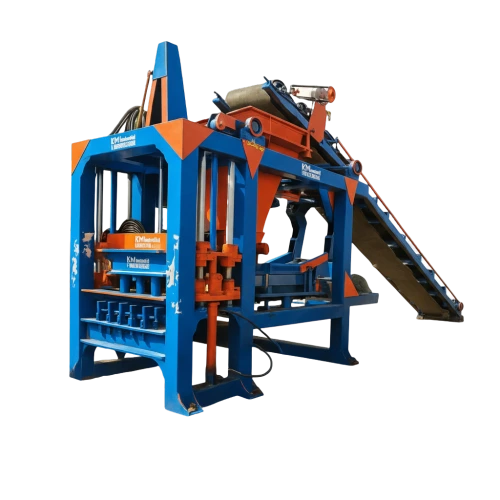

Concrete conveyors are efficient material handling systems used to transport wet concrete quickly and smoothly across construction sites and batching plants. Available in types such as belt, screw, bucket, and portable conveyors, they are designed to reduce manual labor, ensure continuous flow, and improve project efficiency. Key components include the conveyor system, motor, frame, rollers, and control unit, all working together to handle heavy loads with minimal wastage. Commonly used in construction, infrastructure, and industrial projects, these conveyors offer durability, easy operation, and low maintenance, making them a cost-effective solution for modern concrete handling needs.
What Is a Concrete Conveyor?
A concrete conveyor is a system used to transport freshly mixed concrete from one point to another efficiently. It is commonly used on construction sites and batching plants to move concrete quickly without manual handling.Simple Answer: A concrete conveyor helps move wet concrete smoothly and continuously, saving time and labor.
Why Concrete Conveyors Are Important
Concrete conveyors improve construction efficiency by:
Reducing manual labor
Ensuring continuous concrete flow
Minimizing material loss
Speeding up project timelines
They are essential for projects where fast and consistent concrete placement is required.
Types of Concrete Conveyors
1. Belt Conveyors
Use a moving belt to transport concrete
Suitable for horizontal and inclined movement
Best for: Large construction sites and batching plants
2. Screw Conveyors
Use a rotating screw mechanism
Ideal for controlled and enclosed material transfer
Best for: Cement and fine material handling
3. Bucket Conveyors
Use buckets attached to a chain
Designed for vertical lifting
Best for: High-rise construction and vertical transport
Portable Conveyors
Easy to move and install
Flexible for different project sites
Best for: Temporary or mobile construction projectsKey Features and Benefits
Durable steel construction for long-term use
Smooth and continuous material flow
Adjustable speed control in advanced models
Reduced labor and operational cost
Easy installation and maintenance
These features ensure faster work and consistent concrete delivery.Components of a Concrete ConveyorA typical concrete conveyor system includes:
Conveyor Belt or Screw System
Motor and Drive Unit
Support Frame Structure
Rollers and Idlers
Control System (for automated models)
Each component plays a role in maintaining smooth and efficient operation.
Common Applications
Concrete conveyors are widely used in:
Construction sites
Ready-mix concrete plants
Infrastructure and road projects
High-rise building construction
Industrial production facilities
Pricing of Concrete Conveyors
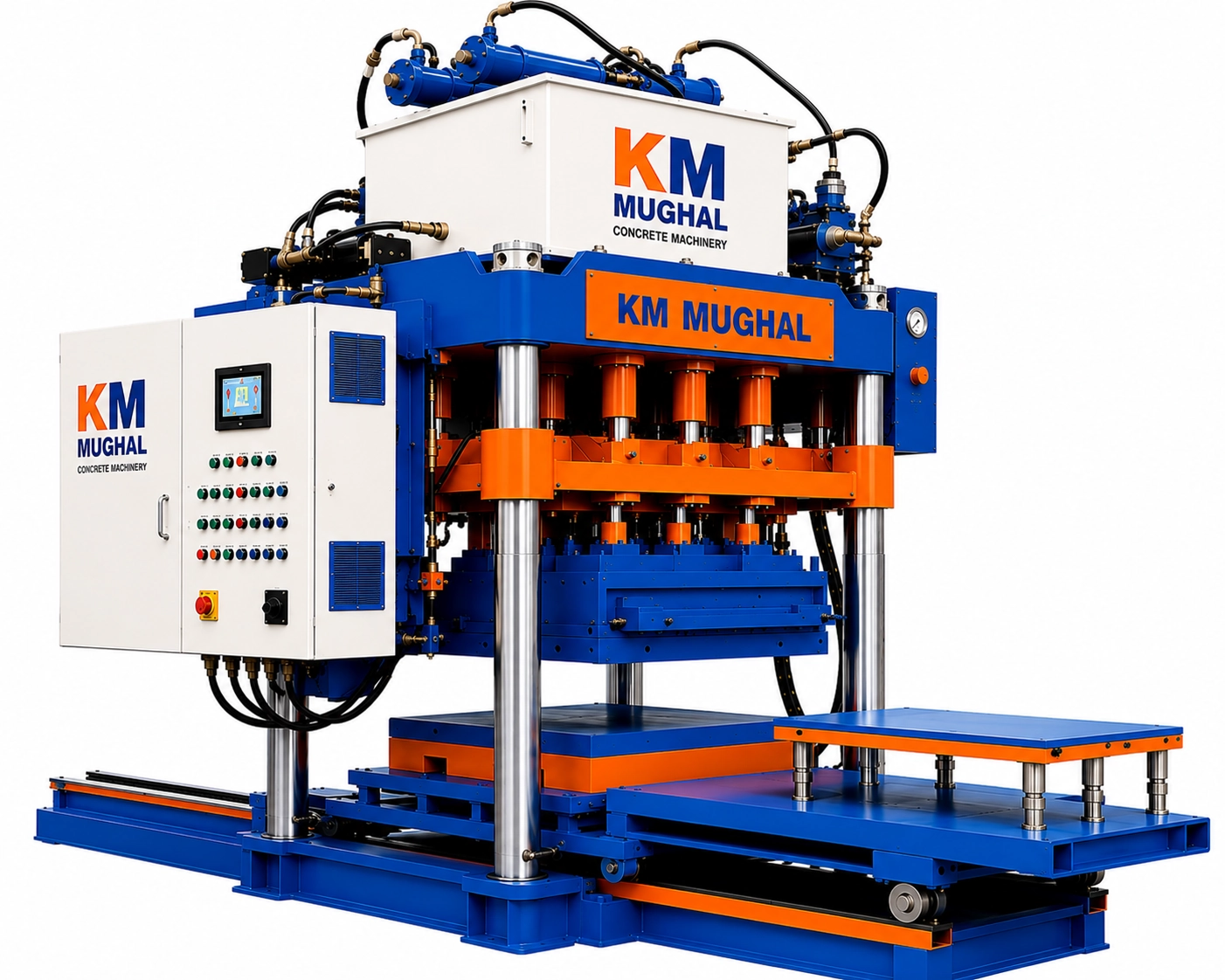
The cost of concrete conveyors depends on type, length, capacity, and technical features. Basic conveyors are more affordable, while advanced and heavy-duty systems require higher investment.At KM Mughal, we offer high-performance concrete conveyors designed for durability and efficiency. Our solutions are suitable for both small construction projects and large industrial operations.
Factors That Affect Pricing
Conveyor type (belt, screw, bucket)
Length and capacity
Motor power and automation level
Build quality and materials
Customization requirements
Smart Tip: Choose a conveyor based on your project scale and material flow needs, not just price.
What Makes a Good Concrete Conveyor?
A high-quality conveyor should:
Maintain consistent material flow without blockage
Handle heavy loads without breakdown
Operate smoothly with minimal vibration
Be easy to clean and maintain
Poor-quality conveyors often cause delays and material wastage.
Common Mistakes to Avoid
Choosing the wrong conveyor type
Ignoring capacity requirements
Not considering site layout
Overlooking maintenance needs
FAQs
What is a concrete conveyor used for? It is used to transport wet concrete efficiently across a construction site.Which type of conveyor is best for concrete? Belt conveyors are commonly used for general applications, while screw conveyors are ideal for controlled material flow.Can concrete conveyors be used for vertical transport? Yes, bucket conveyors are designed for vertical movement.How much does a concrete conveyor cost? Prices vary depending on type, size, and features.Are concrete conveyors better than manual transport? Yes, they save time, reduce labor, and improve efficiency.Can conveyors handle heavy concrete loads? Yes, high-quality conveyors are designed for heavy-duty use.Is installation complicated? Most conveyors are designed for easy installation and setup.Do concrete conveyors require maintenance? Yes, regular maintenance ensures long-term performance.
Footer
We have transformed local construction practices by delivering reliable, efficient, and technologically advanced machinery.