
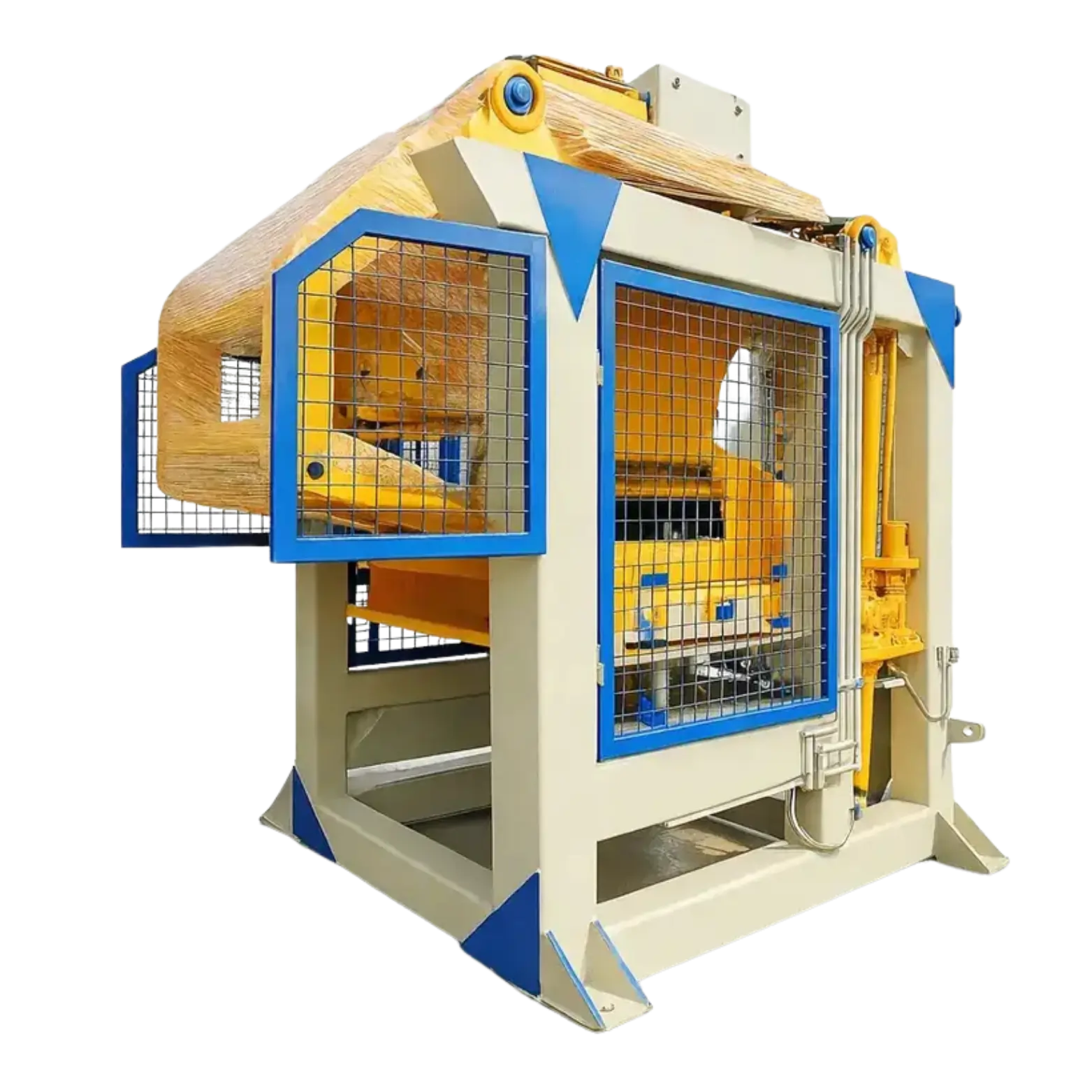
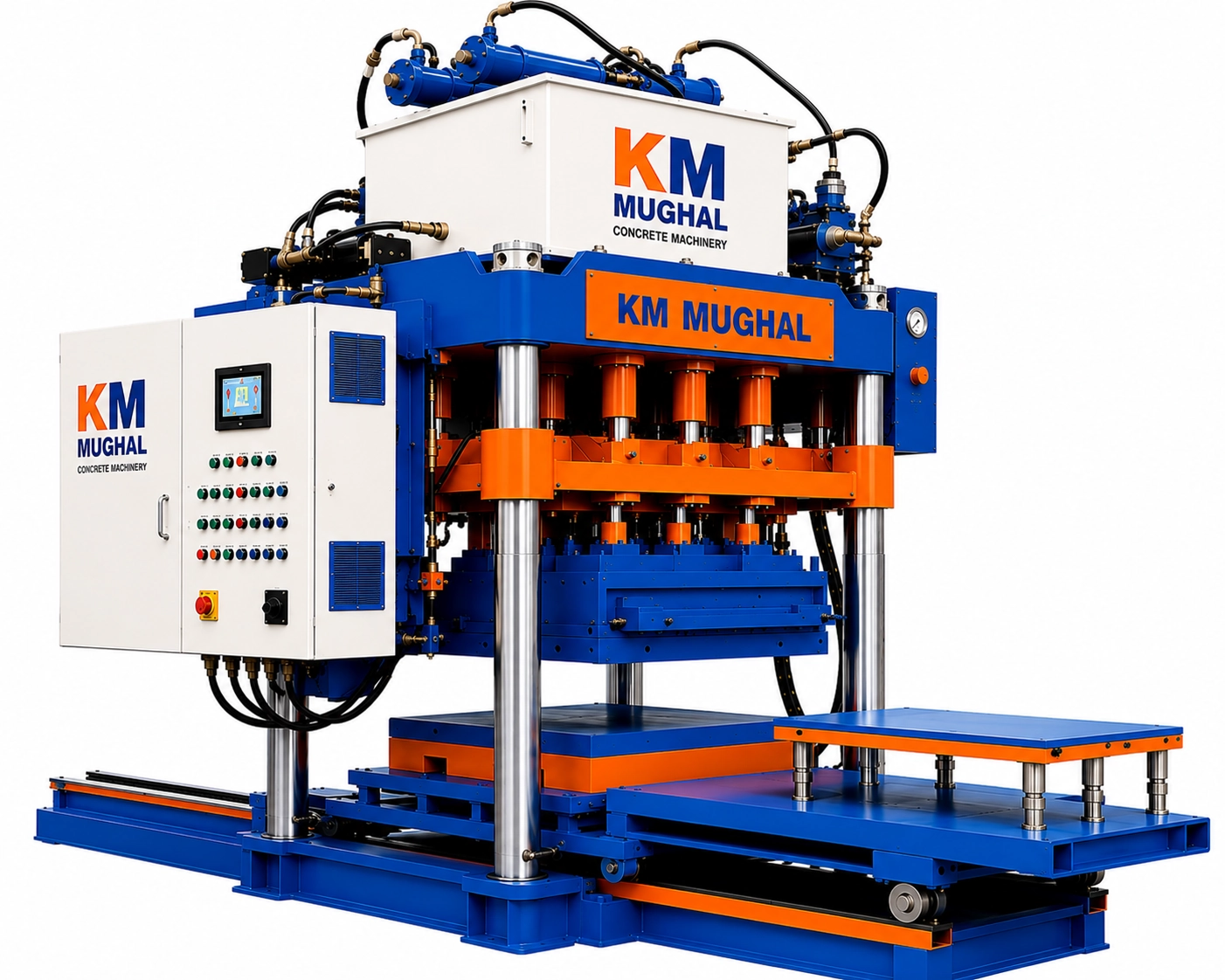
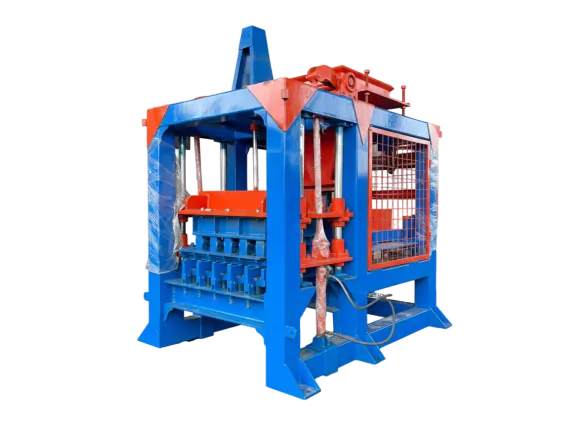
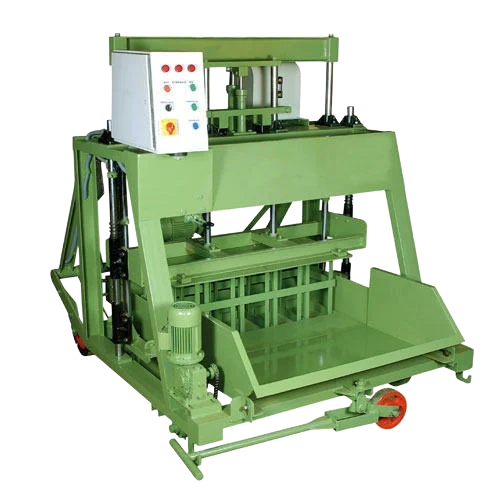
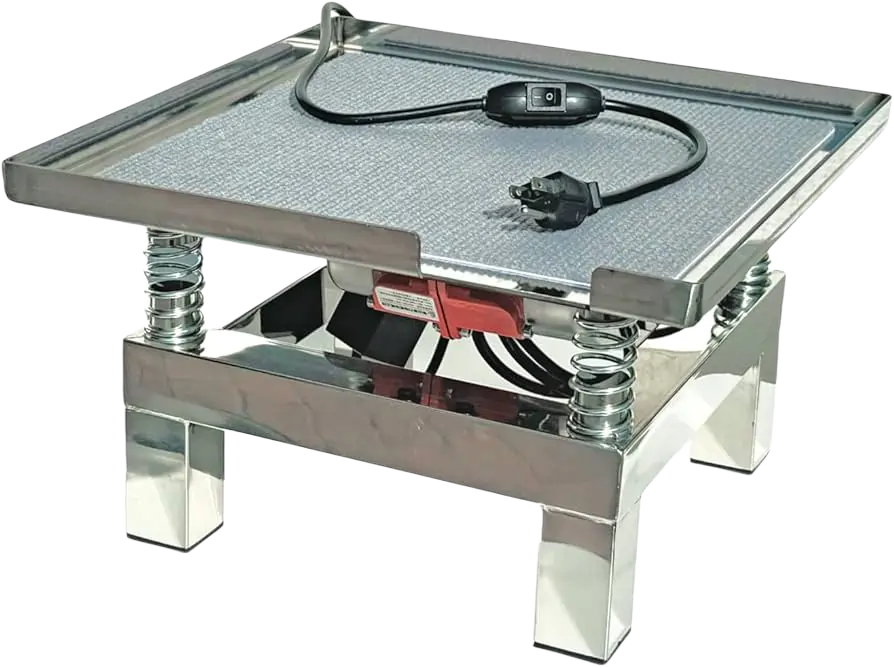
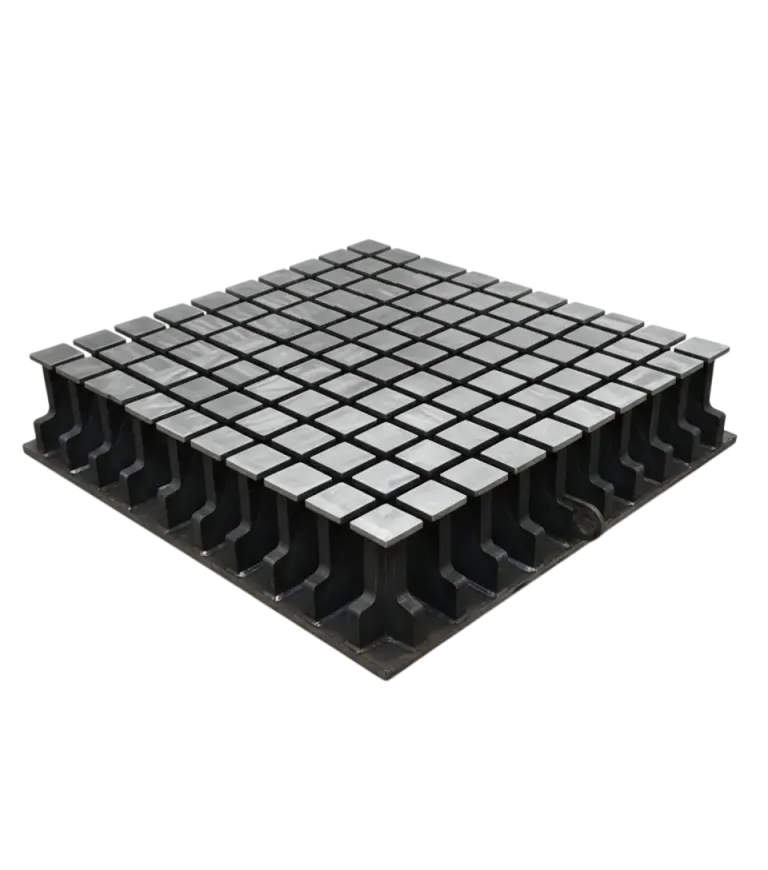

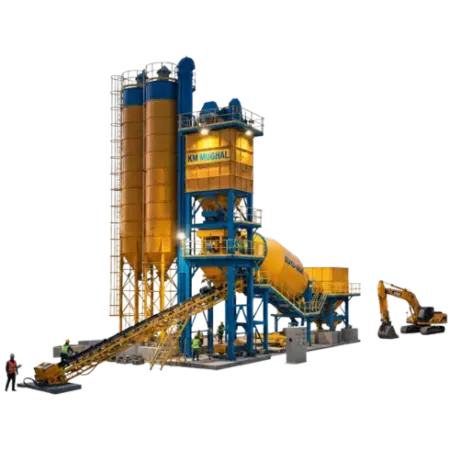
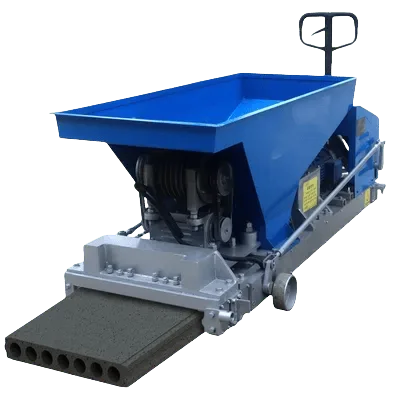
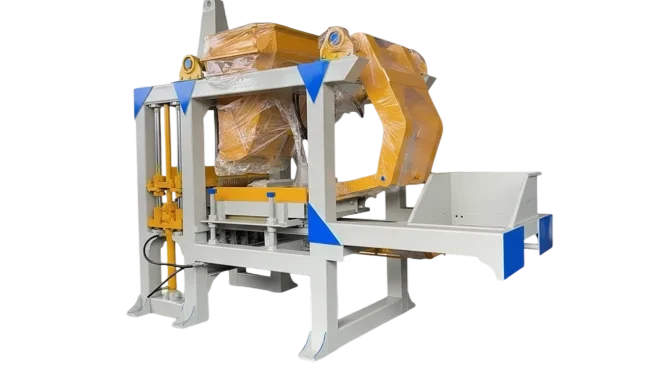
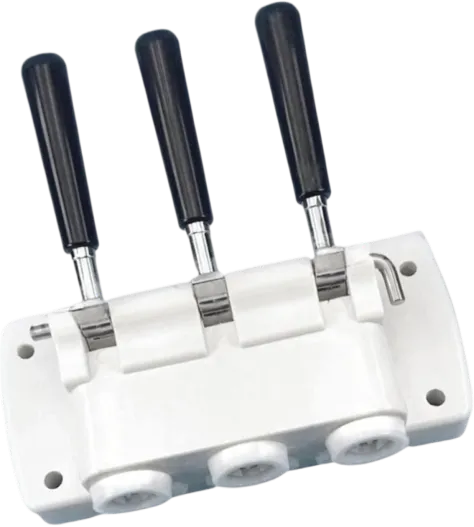
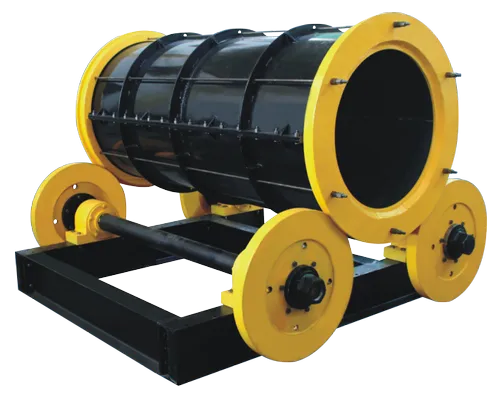
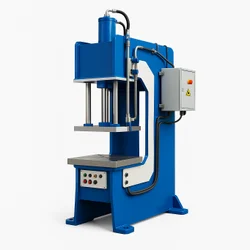
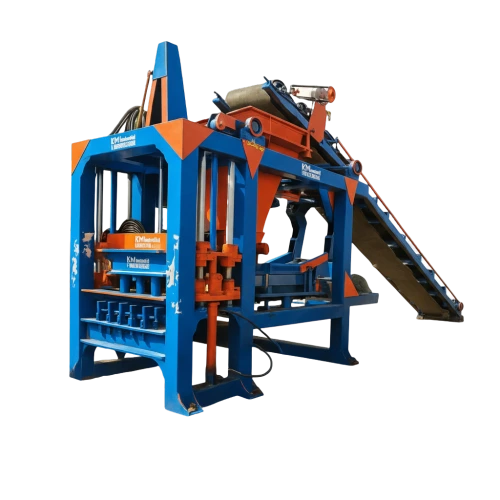
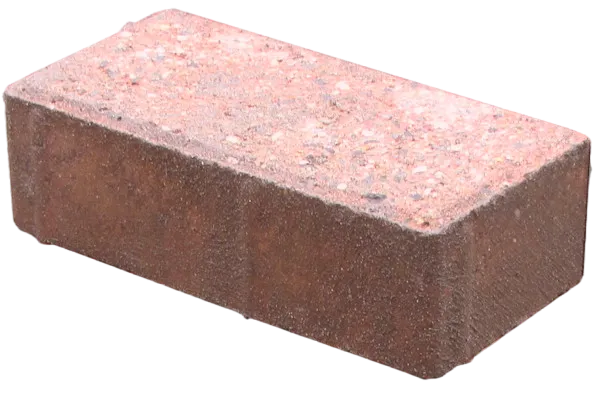
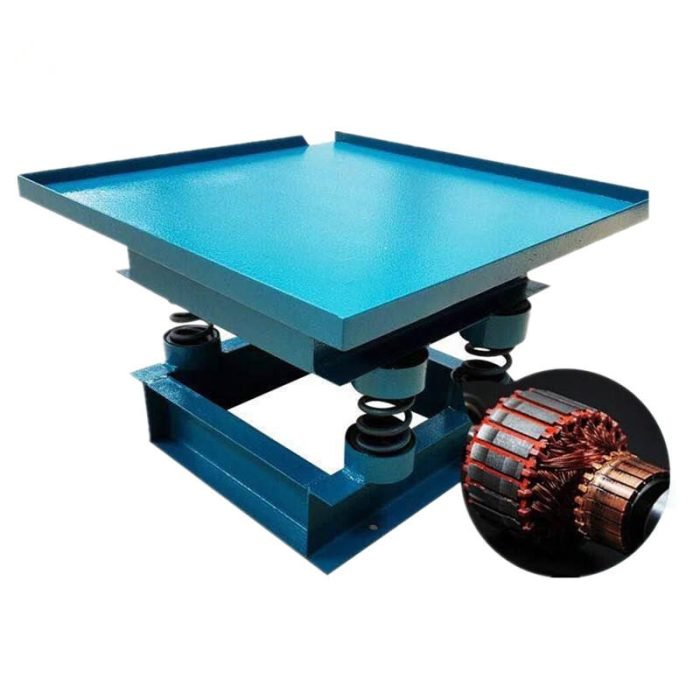
Concrete vibration tables are specialized industrial equipment used to compact freshly poured concrete in moulds by applying controlled vibration. This process removes air gaps, increases density, and ensures smooth, high-strength finishing for products like concrete blocks, tuff tiles, pavers, and precast elements.
Simple Meaning:
A concrete vibration table is a machine that shakes moulds filled with concrete to make them stronger, denser, and more uniform.
What Users Usually Search Before Buying
Are you looking for answers like:- “Concrete vibration table price in Pakistan”
- “Best vibration table for paver and block making”
- “Industrial vibration table for concrete molds”
- “How does a concrete vibration table work?”
- “Heavy-duty vibration table for tuff tile production”
Types of Concrete Vibration Tables
1. Standard Vibration Table
- Basic vibration system
- Suitable for small-scale production
2. Heavy-Duty Vibration Table
- High-frequency vibration
- Strong steel structure
3. Hydraulic Vibration Table
- Combined vibration and pressure system
- High compaction efficiency
4. Custom Mold Vibration Table
- Designed for specific mould sizes
- Flexible production use
Key Features and Benefits
- High-frequency vibration system for strong compaction
- Reduces air bubbles and voids in concrete
- Improves product strength and durability
- Heavy steel body for long-term use
- Easy operation with low maintenance
How a Concrete Vibration Table Works
- Concrete is poured into molds placed on the table
- The machine generates controlled vibration
- Air pockets are removed from the mixture
- Concrete settles evenly inside the mold
- Finished product becomes dense and strong after curing
Components of a Vibration Table
- Steel table frame
- Electric vibration motor
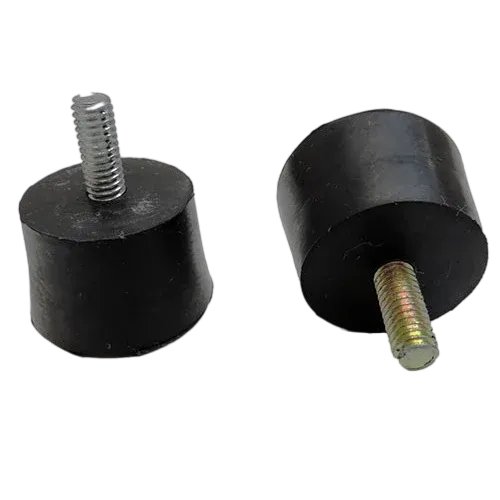
- Spring or rubber mounting system
- Control panel (in advanced models)
- Mold support platform
Applications
Concrete vibration tables are widely used in:- Tuff tile production units
- Concrete block manufacturing
- Paver tile factories
- Precast concrete industries
- Construction material plants
Pricing of Concrete Vibration Tables
The cost of vibration tables depends on size, motor power, vibration frequency, and build quality. Standard tables are more affordable, while heavy-duty and hydraulic systems require higher investment due to increased performance and durability. At KM Mughal, we supply high-performance concrete vibration tables designed for long-term industrial use, suitable for both local and international construction manufacturing businesses.Factors Affecting Price
- Table size and load capacity
- Motor power and vibration strength
- Steel quality and structure
- Automation level
- Custom design requirements
Why Choose KM Mughal?
- Trusted manufacturer of construction machinery
- Durable industrial-grade vibration tables
- High-performance vibration technology
- Competitive pricing in Pakistan and global markets
- Custom solutions for different production setups
How to Choose the Right Vibration Table
Users often ask: “Which vibration table is best for my factory?” Consider:- Type of product (tiles, blocks, pavers)
- Daily production requirement
- Mold size and weight
- Power availability
- Factory space and layout
Common Mistakes to Avoid
- Choosing low-power motors for heavy production
- Ignoring mold compatibility
- Selecting unstable table frames
- Not considering continuous operation needs
What Makes a Good Vibration Table?
A high-quality vibration table should:- Deliver uniform and consistent vibration
- Support heavy molds without deformation
- Operate smoothly without excessive noise
- Increase concrete density effectively
FAQs
What is a concrete vibration table used for? It is used to compact concrete in molds for stronger and smoother products. Which industries use vibration tables? They are used in block making, tile production, and precast industries. What is the price of a vibration table? Price depends on size, motor power, and design. Can it be used for tuff tile production? Yes, it is widely used for tuff tiles and pavers. Is maintenance required? Yes, regular inspection ensures long-term performance.Footer

We have transformed local construction practices by delivering reliable, efficient, and technologically advanced machinery.