
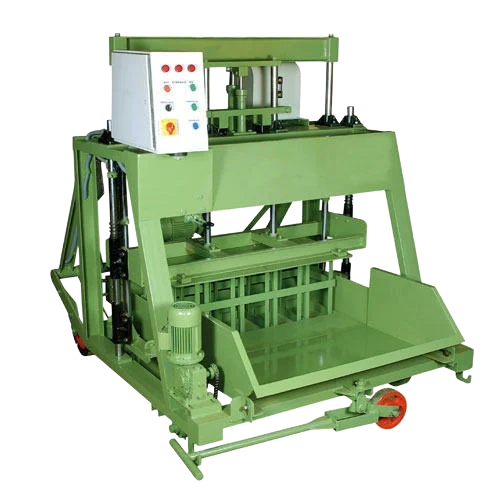
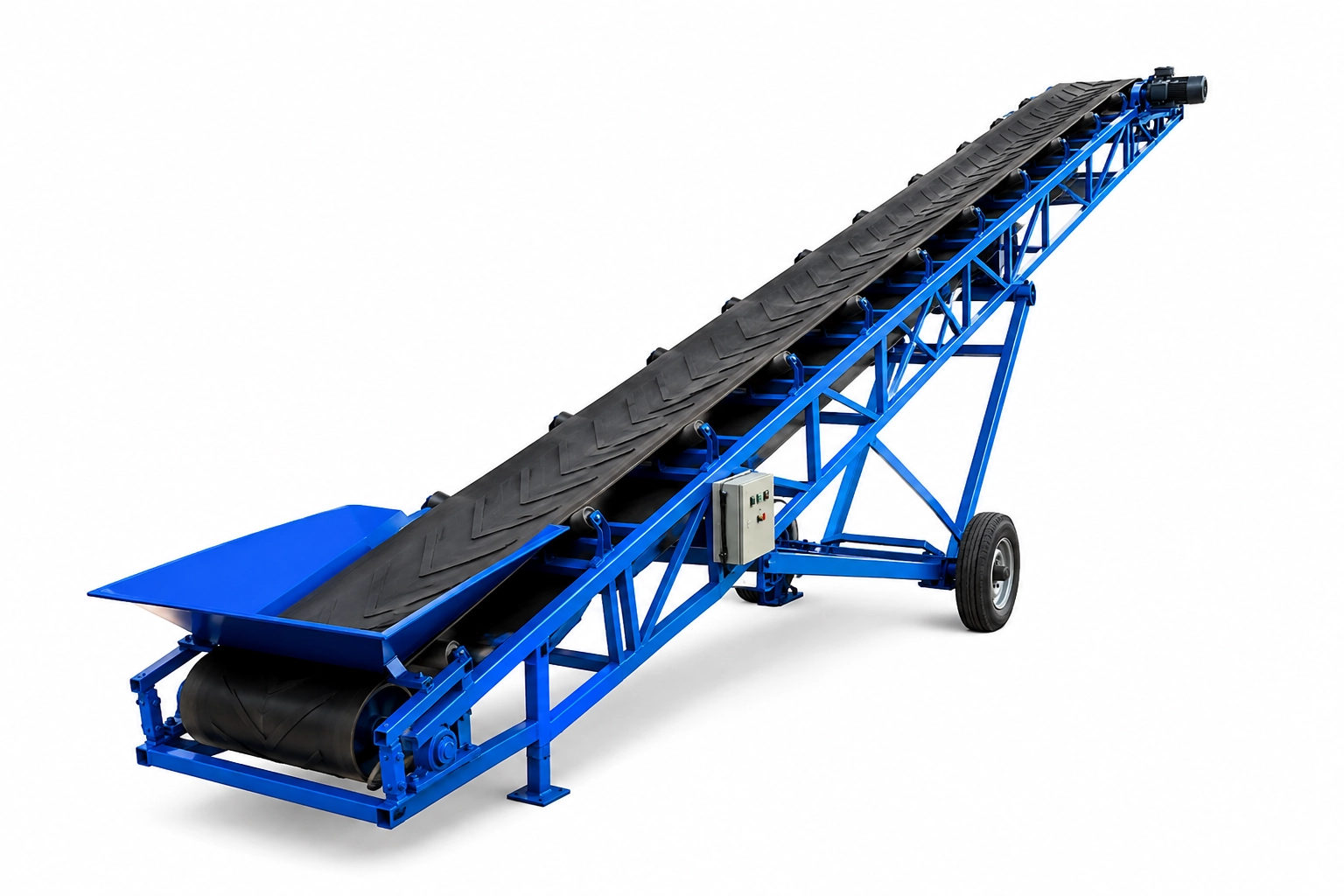
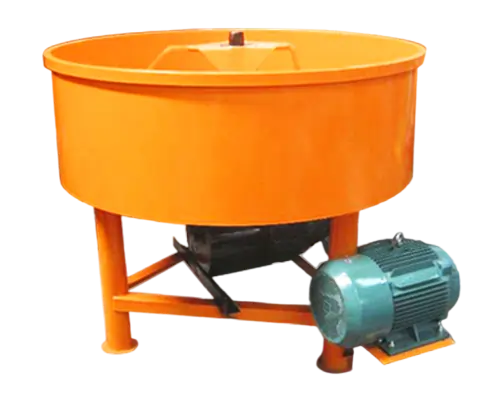
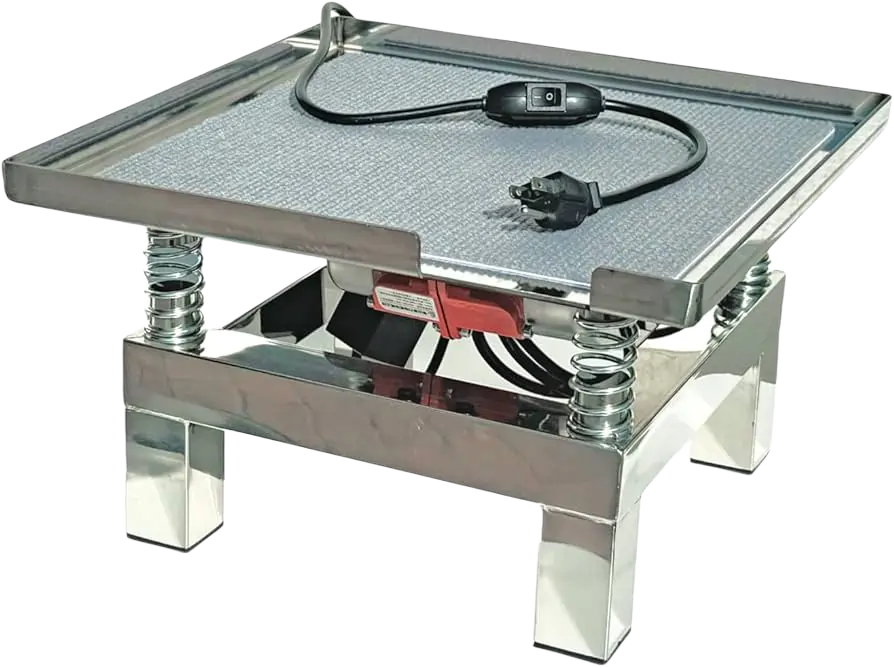
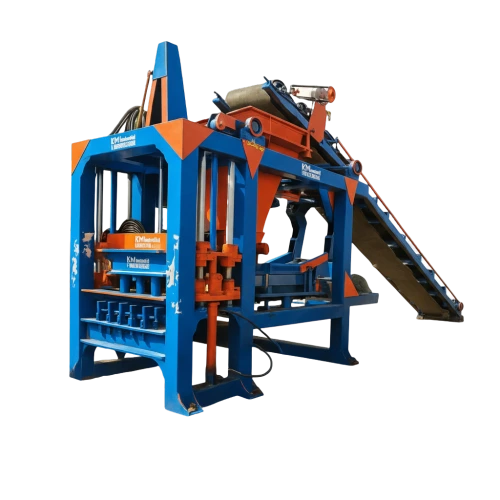
Paver tiles & blocks

Paver tiles & blocks

1 Products

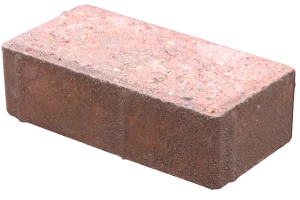
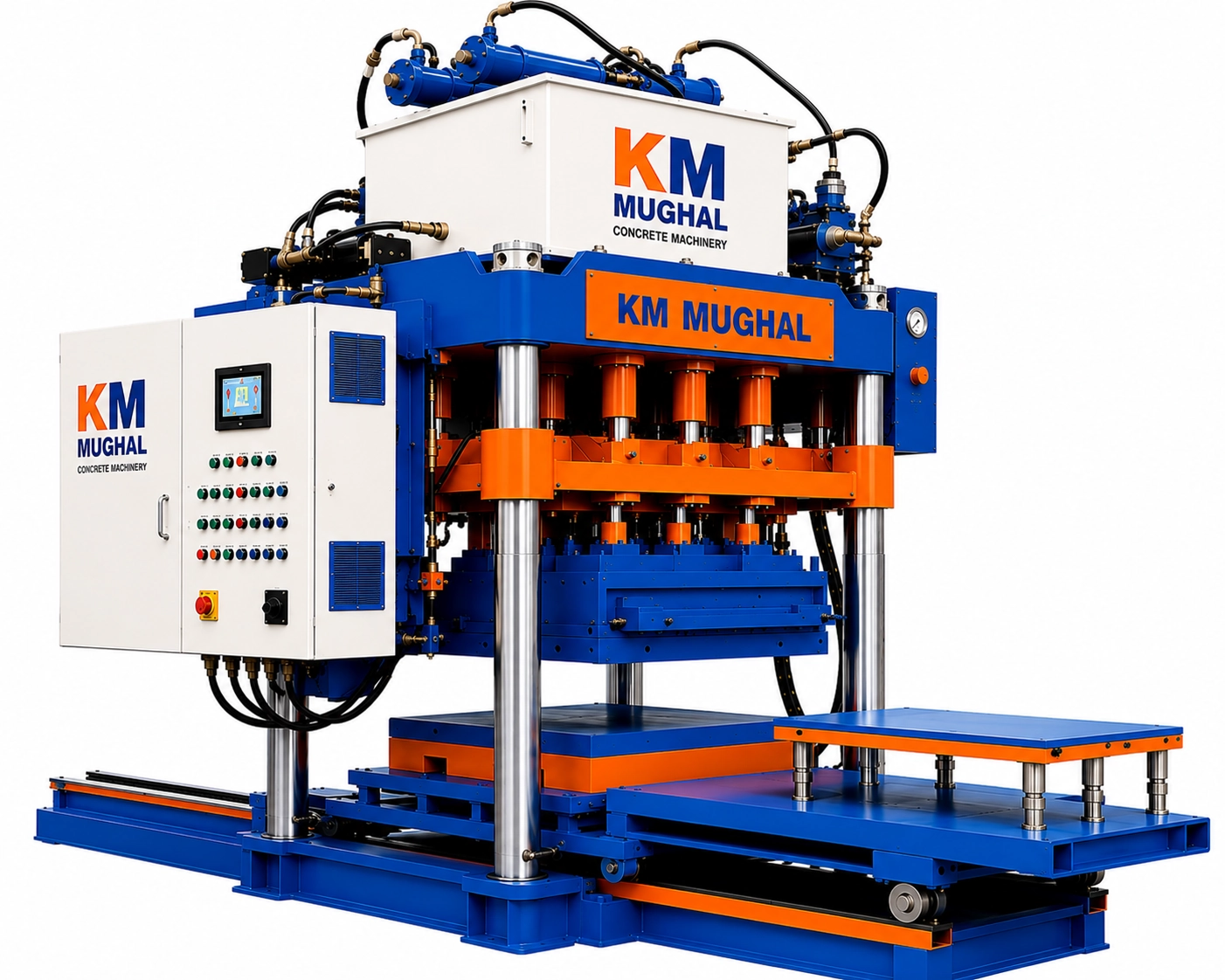
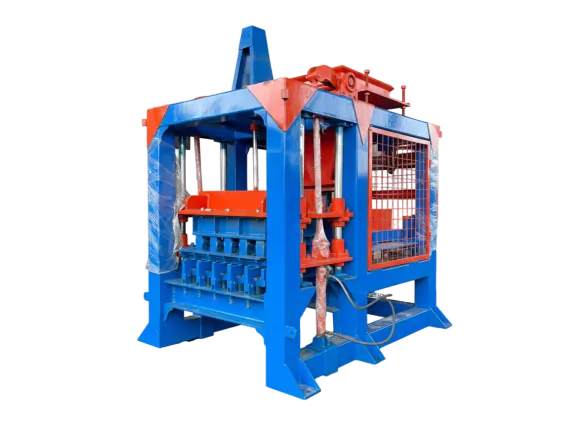
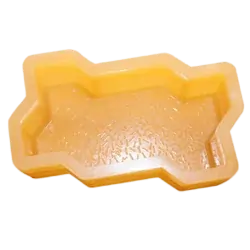
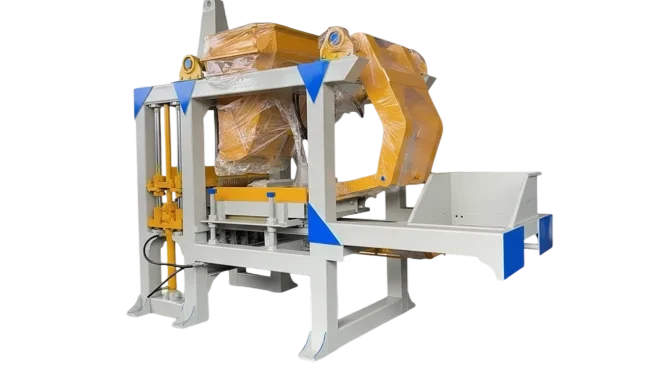
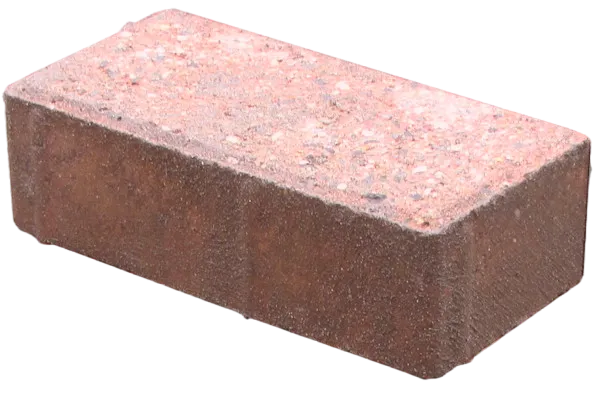
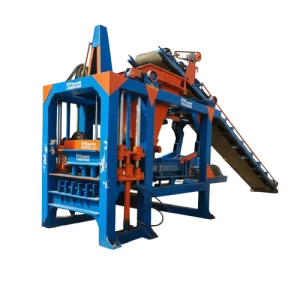
Paver tiles and blocks are durable interlocking concrete products used for outdoor flooring, roads, driveways, walkways, and landscaping projects. They are manufactured using cement, sand, aggregates, and pigments through high-pressure molding machines, ensuring strong load-bearing capacity and long-lasting surface performance. Simple Meaning: Paver tiles and blocks are strong concrete pieces used to build hard, decorative, and long-lasting surfaces for outdoor areas. What Users Usually Search Before Buying Are you looking for answers like: “Best paver tiles for driveway and parking” “Concrete paver blocks price in Pakistan” “Interlocking paver tiles design and types” “Which paver blocks are best for road construction?” “Durable outdoor flooring tiles for home and commercial use” This page helps you understand everything before choosing the right product or production setup. Types of Paver Tiles & Blocks 1. Interlocking Paver Blocks Zig-zag, I-shape, and rectangular designs Strong locking system for stability Used in high-load areas Best for: Roads, parking areas, and driveways 2. Concrete Paver Tiles Flat decorative surface tiles Available in multiple colors and patterns Smooth and aesthetic finish Best for: Gardens, walkways, and landscaping 3. Heavy-Duty Industrial Pavers High compressive strength Designed for heavy traffic Thick and durable structure Best for: Roads, industrial zones, and commercial areas 4. Designer & Decorative Blocks Custom shapes and textures Used for architectural beauty Enhances outdoor appearance Best for: Residential and premium projects Key Features and Benefits High strength and load-bearing capacity Weather and water resistance Long-lasting durability Low maintenance flooring solution Wide variety of designs and colors These features make paver blocks ideal for both functional and decorative applications. How Paver Tiles & Blocks Are Made Concrete mix is prepared with cement, sand, and aggregates Mixture is poured into molds Hydraulic pressure and vibration are applied Blocks are formed with precise shape Products are cured for strength development This process ensures durable and uniform output. Applications Paver tiles and blocks are widely used in: Road and highway construction Parking lots and driveways Garden pathways and landscaping Industrial flooring areas Residential outdoor spaces Pricing of Paver Tiles & Blocks The price of paver tiles and blocks depends on design, thickness, material quality, and production method. Standard interlocking blocks are more affordable, while designer and heavy-duty pavers cost more due to higher strength and aesthetic value. At KM Mughal, we support the production of high-quality paver tiles and blocks through advanced machinery, ensuring consistent output and durable construction materials for Pakistan and global markets. Factors Affecting Price Design type (interlocking, decorative, industrial) Thickness and size Material quality and cement ratio Color and finishing requirements Production method and machinery used Smart Insight: Choosing the right paver type ensures better durability and long-term cost savings. Why Choose KM Mughal Solutions? Reliable construction machinery provider High-quality paver production systems Durable and consistent output machines Competitive pricing in Pakistan and international markets Custom production solutions for different needs How to Choose the Right Paver Blocks Users often ask: “Which paver blocks are best for my project?” Consider: Load-bearing requirement Location (residential, commercial, industrial) Design and aesthetic needs Weather conditions Budget and long-term usage Common Mistakes to Avoid Choosing weak blocks for heavy traffic areas Ignoring thickness and strength requirements Selecting poor-quality raw materials Not considering drainage and installation design What Makes Good Paver Tiles & Blocks? High-quality pavers should: Withstand heavy load and pressure Maintain color and shape over time Resist cracking and water damage Provide stable interlocking strength Poor-quality pavers result in surface damage and frequent repairs. FAQs What are paver tiles used for? They are used for outdoor flooring like driveways, roads, and walkways. Which is better: paver tiles or concrete flooring? Paver tiles offer better flexibility, durability, and easier maintenance. What is the price of paver blocks in Pakistan? Price depends on design, size, and material quality. Are paver blocks strong enough for vehicles? Yes, interlocking and heavy-duty pavers are designed for vehicle load. Can paver blocks be customized? Yes, they are available in various shapes, colors, and designs.

Rubber mountings

Rubber mountings

1 Products

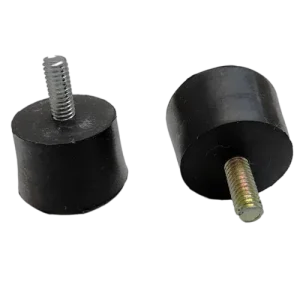
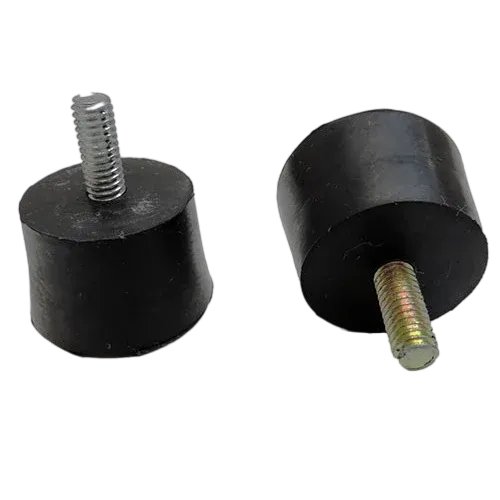
Rubber mountings are vibration-absorbing components used in construction machinery and industrial equipment to reduce shock, noise, and mechanical vibration during operation. They are commonly installed in machines like concrete mixers, block making machines, vibration tables, engines, and heavy-duty industrial systems to improve stability and protect machine parts from damage caused by continuous movement and load stress. Simple Meaning: Rubber mountings are shock-absorbing rubber parts that reduce vibration and keep machines stable during operation. Why Rubber Mountings Are Important in Machinery Are you searching for answers like: “Rubber mountings for concrete machines price” “Best anti vibration rubber mounts for heavy machinery” “Machine vibration control rubber pads” “Where to buy rubber mountings for industrial equipment” “How to reduce vibration in block making machines” This page helps you understand the right solution for machine stability and protection. Types of Rubber Mountings 1. Cylindrical Rubber Mounts Round-shaped vibration absorbers Used in medium-duty machines Good balance of flexibility and strength Best for: Concrete mixers and small machinery 2. Conical Rubber Mountings Tapered design for better load distribution Strong shock absorption capacity Best for: Block making and vibration machines 3. Sandwich Rubber Mounts Rubber layer between metal plates High stability under heavy loads Long-lasting performance Best for: Heavy industrial machinery 4. Anti-Vibration Rubber Pads Flat rubber sheets or pads Easy installation under machine base Reduces floor vibration and noise Best for: Small equipment and auxiliary machines Key Features and Benefits Reduces machine vibration and noise Increases machinery lifespan Protects internal machine components Improves operational stability Minimizes maintenance cost These benefits make rubber mountings essential for smooth industrial operations. How Rubber Mountings Work Machine vibration is generated during operation Rubber material absorbs shock energy Vibrations are dampened before reaching the base Machine remains stable and balanced Wear and tear on components is reduced This process ensures smoother and safer machine performance. Applications Rubber mountings are widely used in: Concrete block making machines Vibration tables Concrete mixers Hydraulic press machines Industrial motors and generators Pricing of Rubber Mountings The price of rubber mountings depends on size, material quality, load capacity, and application type. Heavy-duty industrial mounts cost more due to higher durability and advanced vibration control capability. At KM Mughal, we supply high-quality rubber mountings designed for construction machinery and industrial systems, ensuring long-lasting performance in Pakistan and global markets. Factors Affecting Price Load-bearing capacity Rubber quality and density Metal reinforcement (if any) Size and design type Machine compatibility Smart Insight: High-quality rubber mountings reduce machine breakdowns and improve long-term efficiency. Why Choose KM Mughal? Trusted supplier of construction machinery accessories Durable industrial-grade rubber components Reliable vibration control solutions Competitive pricing in local and global markets Wide compatibility with machinery systems How to Choose the Right Rubber Mounting Users often ask: “Which rubber mounting is best for my machine?” Consider: Machine weight and load Level of vibration generated Operating environment Durability requirements Compatibility with machine base Common Mistakes to Avoid Using low-quality rubber that wears quickly Selecting incorrect load capacity Ignoring machine vibration level Improper installation under machine base What Makes Good Rubber Mountings? A high-quality rubber mounting should: Absorb vibration effectively Withstand heavy loads without deformation Resist cracking and aging Provide long-term stability Poor-quality mounts lead to machine damage and increased maintenance costs. FAQs What are rubber mountings used for? They are used to reduce vibration and noise in industrial machinery. Which machines need rubber mountings? Concrete mixers, block machines, vibration tables, and industrial motors. What is the price of rubber mountings? Price depends on size, load capacity, and material quality. Do rubber mountings improve machine life? Yes, they reduce stress and increase machine durability. Can rubber mountings reduce noise? Yes, they significantly reduce operational noise and vibration.

Wooden pallets or packing pallets

Wooden pallets or packing pallets

3 Products

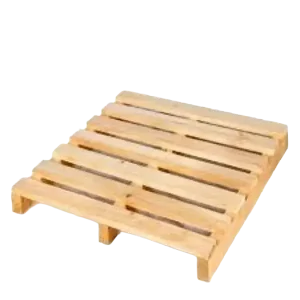
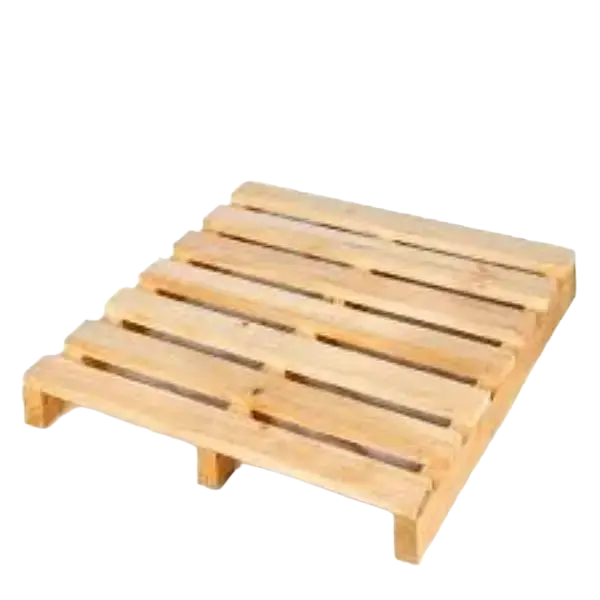
Wooden pallets or packing pallets are flat transport platforms used in construction, manufacturing, and logistics industries to carry, stack, and move heavy materials such as concrete blocks, paver tiles, bricks, and machinery parts. They provide a stable base for handling goods during production, storage, and transportation, making the workflow safer and more organized. Simple Meaning: Wooden pallets are strong wooden platforms used to hold and move heavy construction products safely. Why Wooden Pallets Are Important Are you looking for answers like: “Wooden pallets for block making machine price” “Best pallets for paver tile production” “Heavy duty packing pallets for construction materials” “Where to buy wooden pallets for industrial use” “Pallet size for concrete block machines” This page helps you understand everything before selecting the right pallet type. Types of Wooden / Packing Pallets 1. Standard Wooden Pallets Simple wooden frame design Used for general material handling Economical and widely available Best for: Small and medium production units 2. Heavy-Duty Industrial Pallets Strong hardwood construction Designed for high load capacity Long-lasting durability Best for: Block and tile production plants 3. Heat-Treated Export Pallets Treated for international shipping standards Resistant to moisture and pests Suitable for export use Best for: Export-based businesses 4. Custom Size Pallets Made according to machine or product size Flexible design options Optimized for specific production lines Best for: Automated manufacturing setups Key Features and Benefits Provides stable base for heavy materials Makes transportation and stacking easier Reduces product damage during handling Improves production efficiency Cost-effective material handling solution Pallets are essential for smooth industrial workflow. How Wooden Pallets Are Used Fresh concrete blocks or tiles are placed on pallets Pallets are moved using stackers or forklifts Products are transported to curing or storage areas Pallets help keep products aligned and safe This ensures organized and damage-free handling. Applications Wooden pallets are widely used in: Concrete block manufacturing plants Tuff tile and paver production units Construction material storage yards Packaging and logistics industries Export and shipping operations Pricing of Wooden Pallets / Packing Pallets The price of wooden pallets depends on wood quality, size, load capacity, and durability. Standard pallets are more affordable, while heavy-duty and export-grade pallets cost more due to stronger materials and treatment processes. At KM Mughal, we provide durable and high-quality packing pallets designed for concrete block and tile production industries in Pakistan and global markets. Factors Affecting Price Type of wood used (softwood or hardwood) Load-bearing capacity Size and design requirements Heat treatment or export standards Production quantity Smart Insight: High-quality pallets reduce breakage and improve handling efficiency in production plants. Why Choose KM Mughal? Reliable supplier for construction industry accessories Durable and long-lasting pallet solutions Custom sizes for machine compatibility Competitive pricing in local and international markets Trusted support for industrial production setups How to Choose the Right Pallet Users often ask: “Which pallet is best for my production line?” Consider: Weight of concrete products Machine compatibility Frequency of use Storage and transport method Durability requirements Common Mistakes to Avoid Using low-quality wood that breaks easily Ignoring load capacity limits Choosing wrong size for machines Not considering moisture resistance What Makes a Good Wooden Pallet? A high-quality pallet should: Carry heavy loads without bending Be strong and stable during movement Resist wear and repeated use Fit perfectly with production systems Poor pallets lead to product damage and handling delays. FAQs What are wooden pallets used for? They are used to carry and transport concrete blocks, tiles, and industrial materials. Which industries use packing pallets? Construction, block making, tile production, and logistics industries. What is the price of wooden pallets? Price depends on size, wood type, and load capacity. Are pallets reusable? Yes, high-quality pallets can be reused multiple times. Do pallets improve production efficiency? Yes, they make handling and transportation easier and safer.

Total Categories: 21